If you live in an older home in Caboolture, especially one constructed between the 1960s and 1980s, you may be experiencing frustrating challenges such as inadequate shower flow, slow filling taps, and a significant drop in water pressure when using multiple fixtures simultaneously.
For homes built prior to 1985, low water pressure often stems from various issues, including corroded galvanised pipes, mineral buildup from hard water, or hidden leaks due to the clay soil surrounding your property. Generally, the water supply from the council is sufficient; however, complications tend to arise between your water meter and the taps in your kitchen or bathroom.
Your shower may barely deliver a trickle, and filling a pot in the kitchen could take an excessive amount of time. If you reside in an older property in Caboolture—particularly those fibro and weatherboard homes built during the 1960s, 70s, and 80s—low water pressure is a common problem that we frequently encounter.
Adding to your frustration, the council’s water supply typically functions well. The pressure drop occurs somewhere in the plumbing system between the meter and your taps. Let’s delve into the reasons behind these issues and the effective solutions you can implement to resolve them.
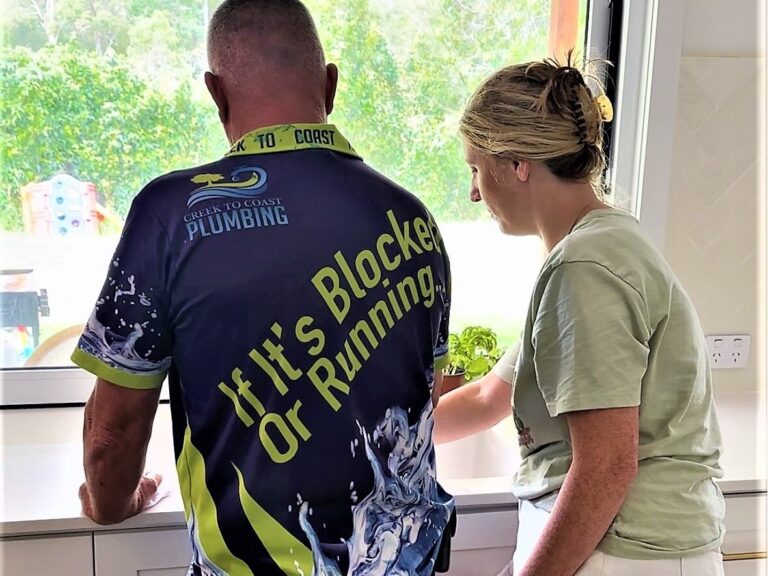
Uncovering the Main Causes of Low Water Pressure in Older Caboolture Homes
Low water pressure can be attributed to several key factors: corroded galvanised pipes, hard-water mineral accumulation, hidden leaks, movement in clay soil, undersized pipes, and faulty pressure-reducing valves. Homes built before 1985 are likely to experience at least two of these issues concurrently, complicating water flow throughout the entire plumbing system.
- Corroded galvanised pipes: Many homes built before the mid-1980s typically utilise galvanised steel water pipes. Over four decades, these pipes may rust internally, leading to a build-up of rust that narrows the pipe diameter, restricting water flow and causing pressure issues.
- Hard water mineral accumulation: The water supply in Caboolture often contains high levels of calcium and magnesium, which can gradually accumulate on the inner surfaces of pipes. This mineral build-up, combined with rust, can create significant blockages in water flow. Hot water pipes are particularly vulnerable, as heat accelerates mineral deposition—refer to our comprehensive information regarding hard water scale in Caboolture hot water systems.
- Hidden leaks: Underground leaks or those within walls can diminish pressure at your taps as water escapes before reaching them. Given Caboolture’s clay soil, leaks in underground pipes are common, as soil movement can lead to cracks and shifts. A sudden spike in your water bill may indicate a hidden leak.
- Movement in clay soil: The clay soil in Caboolture expands when wet and contracts when dry. Over the years, this constant movement can put stress on rigid galvanised pipes, resulting in cracked joints and leaks that disrupt your plumbing system.
- Undersized pipes: Some older homes were originally equipped with smaller diameter pipes. Upgrading to a modern shower head, adding a dishwasher, or installing a second bathroom can easily overwhelm these narrow pipes, leading to inadequate water flow and pressure challenges.
- Malfunctioning pressure reducing valve: If your home is fitted with a pressure reducing valve (PRV) at the meter, it may be malfunctioning, stuck, or incorrectly set. These valves typically wear out every 10 to 15 years, potentially causing fluctuating pressure levels.
Effective Methods to Diagnose Low Water Pressure Problems
Conducting a few simple tests can be vital in identifying the root cause of low water pressure. You can compare the pressure at one tap versus all taps, evaluate the pressure of hot versus cold water, monitor the water meter when all fixtures are off (if the dial spins, there’s a leak), and check with your neighbours to see if they are experiencing similar issues. These four quick assessments can help pinpoint the source of the problem before our team arrives to assist you.
- Is low pressure limited to one tap or affecting all taps? If low pressure is confined to a single tap, the issue likely lies with that tap or its supply line. If all taps experience low pressure, the problem is probably within the main water supply or the internal plumbing system.
- Is it just the hot water or both hot and cold? If only the hot water shows low pressure, the problem likely lies within the hot water system or its connecting pipes. If both hot and cold water pressure is low, the issue likely originates in the cold water supply before it branches off to other fixtures.
- Inspect the water meter: Turn off all taps and appliances. Observe the meter dial; if it continues to spin, you have a leak—consider scheduling leak detection services to comprehensively address the issue.
- Check with neighbours: If your neighbours also experience low pressure, the problem might be with the main supply—contact Unitywater for assistance. If only your home is affected, the issue likely lies within your property.
Cost Estimates for Addressing Low Water Pressure Challenges
The cost of repairs can vary widely, from around $300 for a single tap or cartridge replacement to over $12,000 for a complete repiping of an older home. Most jobs in older properties in Caboolture typically range from $800 for leak detection and targeted repairs to $4,000 for pipe relining in the most severely affected areas of the plumbing system.
- Single tap or fixture issue: Starting at $300 for replacing a tap, cartridge, or individual supply line, this option is often the simplest solution.
- Pressure reducing valve replacement: Starting at $500, this cost includes the installation of a new valve to ensure steady water pressure.
- Leak detection and repair: Starting at $800, depending on the location and accessibility, this service aims to identify and effectively resolve hidden leaks.
- Pipe relining for damaged sections: Starting at $4,000, this process is beneficial for severely damaged sections and avoids the disruption of excavating your yard. Refer to our detailed information on pipe relining for further insights.
- Complete repipe of an older home: Starting at $12,000, this option involves a total replacement of galvanised pipes with copper or PEX, serving as a permanent solution for significantly corroded systems.
- Whole house water filter: Starting at $1,500 installed, this system helps reduce mineral buildup in new pipes and protects your hot water system. Refer to our details on water filter installation for more information.
We offer transparent pricing following our diagnosis, ensuring there are no hidden costs or surprises during the repair process.
When to Seek Our Professional Plumbing Services
If you have completed the basic checks and still experience low water pressure, contact us for a professional pressure assessment. Our team will measure the pressure at the meter and at several points throughout your home, using camera inspections on suspect pipework to provide you with a clear understanding of the situation before making any repair or repiping decisions.
For older homes in Caboolture, we often recommend a thorough assessment prior to investing in individual repairs. It is unwise to replace just one section of galvanised pipe if the rest of the system is similarly compromised. We provide an honest evaluation, helping you determine whether targeted repairs or a complete repipe is the best course of action for your specific needs.
You can also verify our QBCC licence on the QBCC public register before scheduling your appointment—we are a licensed plumbing contractor in Queensland, dedicated to delivering outstanding service.
Call 1300 793 962 or contact us to arrange a detailed water pressure assessment today.
Frequently Asked Questions About Low Water Pressure
Is low water pressure a health risk?
While low water pressure itself isn’t directly hazardous, the underlying causes can present health risks. Corroded galvanised pipes may introduce rust particles into your drinking water, while hidden leaks can lead to structural damage and mould growth in your home. If low pressure is due to a failing hot water system, you might face temperature control issues that could compromise safety.
Can a water pump effectively alleviate low pressure in my home?
A water pump can indeed increase pressure; however, it does not resolve the underlying issue. If your pipes are corroded and constricted, a pump will force water through narrow pipes, potentially causing leaks at vulnerable points. It is advisable to repair the pipes first and then consider the need for a pump to enhance water pressure.
What is the average lifespan of galvanised pipes?
Galvanised steel pipes typically last between 40 to 70 years, depending on water quality and soil conditions. In Caboolture, where hard water and reactive clay soil are common, most galvanised pipes begin to show significant signs of corrosion by the age of 40. If your home was built before 1985 and uses galvanised pipes, they are likely overdue for replacement to maintain optimal water flow.
Is it possible to replace only the most damaged section of a pipe?
Yes, but this approach serves merely as a temporary fix. Corrosion is often widespread throughout the entire plumbing system. Replacing just one section means the remaining old pipes are likely to fail soon after. We can perform targeted repairs if you’re working with a budget, but we will always provide a comprehensive overview to assist with future plumbing planning.
Will a water filter resolve low pressure caused by mineral accumulation?
A water filter can effectively prevent new mineral deposits from accumulating in the pipes, but it will not clear existing scale. If mineral buildup is already obstructing your pipes, the affected sections will need replacement or relining first. Installing a whole house filter after repiping will protect the new pipes from experiencing the same issues in the future.
Who May Not Benefit from This Article?
- If you live in a newly-built home (post-2000), the issues are typically linked to a pressure reducing valve, tap aerator, or hot water unit, rather than the pipes themselves.
- If you reside outside the Moreton Bay region, our services are limited to Caboolture, Burpengary, Morayfield, Bribie Island, Narangba, and surrounding suburbs.
- If you seek a quick fix without conducting diagnostic checks, we do not replace a single section of galvanised pipe without providing insight into the condition of the remaining system—this helps prevent customers from incurring unnecessary costs.
Original Article First Published At:
The Article: Low Water Pressure Causes and Fixes in Older Caboolture Homes first appeared on https://writebuff.com
The Article Causes and Fixes for Low Water Pressure in Older Caboolture Homes Was Found On https://limitsofstrategy.com
References:
Causes and Fixes for Low Water Pressure in Older Caboolture Homes
Low Water Pressure in Older Caboolture Homes: Causes and Solutions