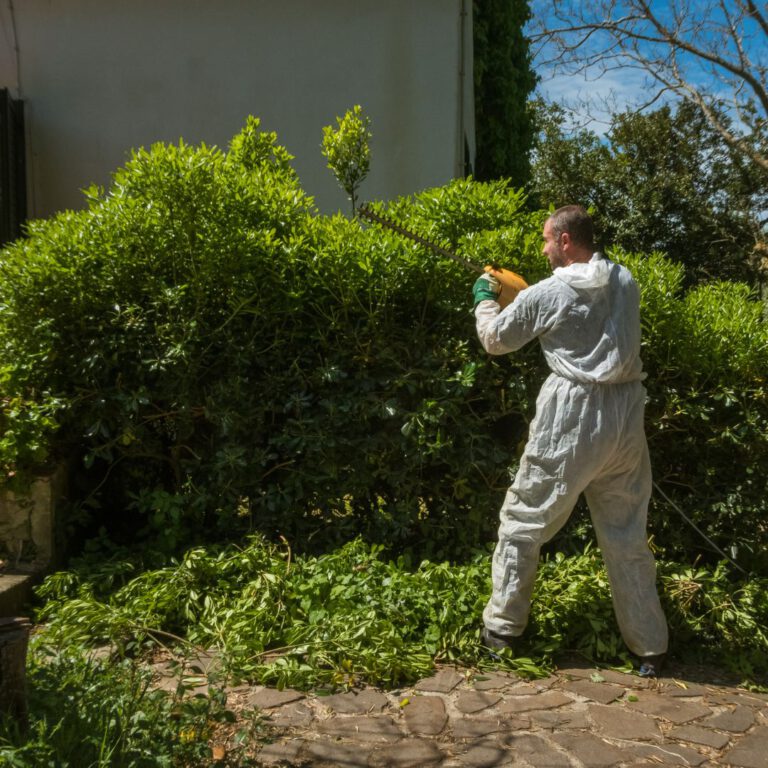
Many people often find themselves grappling with this challenge, especially after a busy weekend spent caring for their gardens. Your green bin might be overflowing, a stack of branches could be leaning against the fence, and you may be unsure of how to proceed with the disposal.
Here’s a clear summary: you have four effective options for managing green waste. The best choice will depend on the amount of waste you have, whether you have access to a trailer, and how much time you are willing to dedicate to the disposal process.
We will examine each option in detail, pointing out scenarios where choosing a skip bin may not be the best choice.
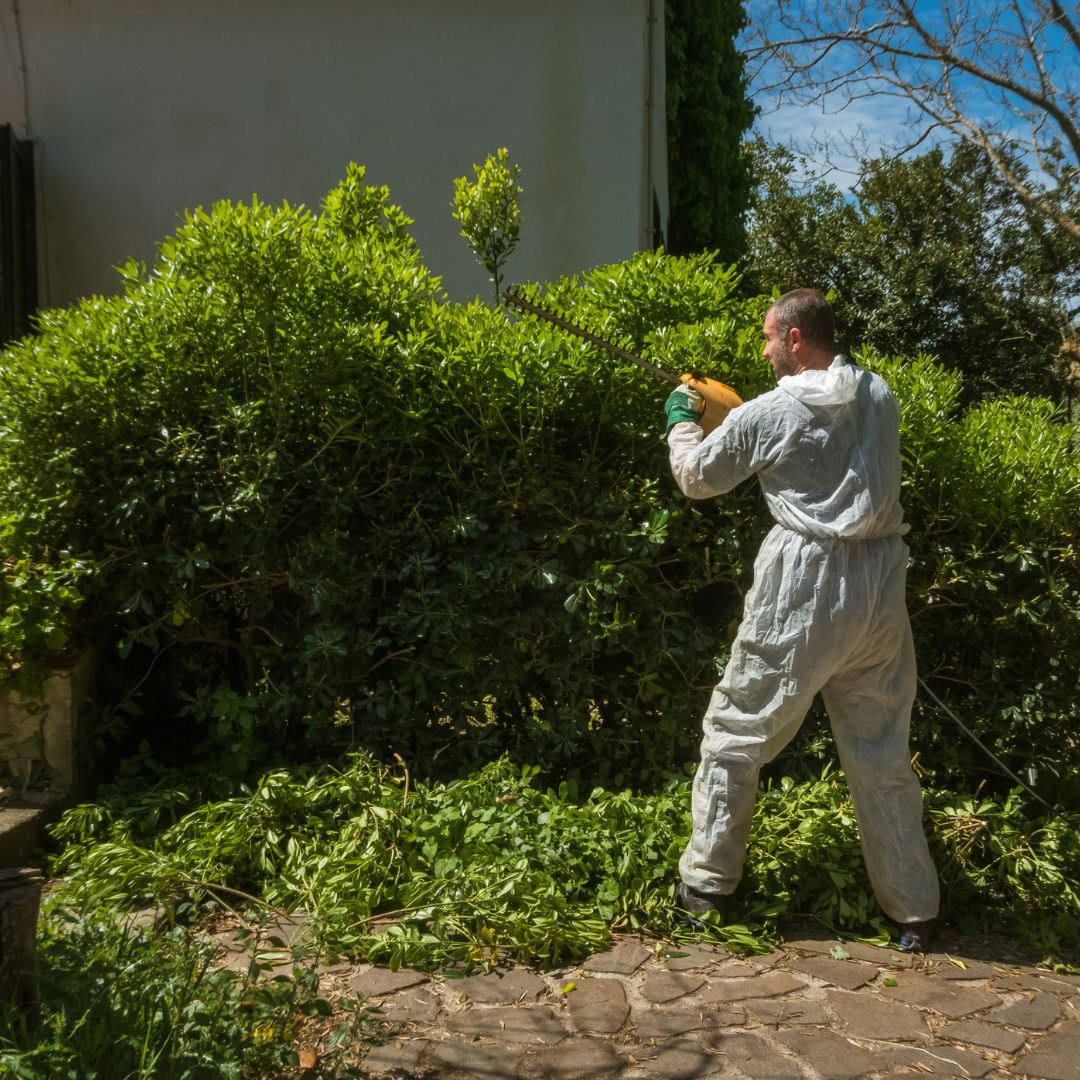
Option 1: Take Advantage of Your Council’s Green Waste Bin Service (Free for Small Regular Loads)
If your green waste is manageable—such as lawn clippings, minor prunings, or weeds from your garden beds—start with your local council’s green bin service.
Most councils in Penrith, the Blue Mountains, Hawkesbury, and Blacktown provide a 240-litre green waste bin, generally collected every two weeks. In some areas, this service is part of a FOGO (Food Organics and Garden Organics) initiative. This service efficiently handles your regular green waste at no cost.
- Regular lawn clippings and soft prunings
- Small quantities that fit comfortably in the bin until the next collection
- Situations where waiting for two weeks is acceptable
- Large garden clean-ups with waste exceeding a single bin’s capacity
- Thick woody branches (check your council’s specific guidelines—some have stricter rules)
- When immediate waste removal is required, rather than waiting ten days
Visit your local council’s website for collection schedules and a list of accepted materials. Penrith, Blue Mountains, Hawkesbury, and Blacktown all offer green waste services, but the specifics can vary greatly.
Option 2: Composting or Mulching at Home (Free, Requires Commitment)
If you have the necessary tools, turning green waste into a useful product provides a cost-effective alternative to paying disposal fees.
Mulching—You can process branches and prunings using a garden chipper. The resulting mulch can be spread over garden beds or around trees to suppress weeds and retain moisture. Renting a chipper typically costs between $80 and $120 per day from local rental shops.
Composting—Soft green waste, including grass clippings, soft prunings, and plant scraps, can be effectively composted when mixed with dry carbon materials like leaves, cardboard, or straw. Although this process takes several months, it results in a valuable addition to your garden.
Keep in mind that this process requires time and effort. If you own a large property with established garden beds, mulching can provide significant long-term benefits. On the other hand, if you’re tackling a one-off clean-up and aren’t a keen gardener, hiring a chipper might not be the best option.
Before renting a chipper, check if your council collects kitchen and garden organics in a combined FOGO bin, which may accept a wider variety of materials than a standard green bin. Confirm what your council collects—you might already be covered for soft materials.
Option 3: Transporting Waste to the Tip Using a Trailer (Most Cost-Effective for One-Off Medium Loads)
If you have access to a trailer (or can borrow one), personally taking your green waste to a waste management facility is often the most economical choice for a medium-sized load.
Typically, green waste is charged at a lower rate than general waste at tips, as it can be composted rather than sent to landfill. Most centres weigh your load and charge by the tonne—while it’s not free, it is generally the most budget-friendly option if you can manage the transportation yourself.
- A trailer capable of carrying your load
- A few hours (including potential wait times—Saturday mornings can be busy)
- A payment method for weighing fees (credit or cash)
Limitations:
- Multiple trips can consume considerable time and fuel
- You must load everything yourself
- Not feasible without a vehicle suitable for towing
Check your local council’s website for details on nearby waste management centres, their operating hours, and the materials they accept. Most centres in the Penrith, Blue Mountains, and Hawkesbury areas accept green waste—confirm before you go, especially if you have woody materials or large quantities.
Option 4: Hiring a Skip Bin (Best for Medium to Large Volumes)
When undertaking a thorough clean-up—whether clearing a neglected block, removing established hedges, managing storm debris, or preparing a site for landscaping—a skip bin is often the most practical solution.
You simply order the bin, we deliver it, you fill it at your own pace, and we collect it. There’s no need for a trailer, no waiting in line at the tip, and no multiple trips. The standard hire period is four days, with extensions available for $20 per day if you require extra time.
Ideal scenarios for skip bin hire:
- Large quantities of branches, clippings, shrubs, or ground cover
- Post-storm clean-up requiring substantial waste removal
- Landscaping projects involving established gardens
- No trailer, no towing vehicle, or if you prefer a hassle-free solution
When hiring a skip bin may not be the best choice:
- A council bin’s worth of clippings—that’s the intended purpose of the green bin
- If you have a trailer and the time—making a trip to the tip is likely to be more economical
What we accept in green waste bins: Branches, grass clippings, hedge trimmings, plants, and leaves. We cannot accept: soil (too heavy per cubic metre), rocks, or general rubbish mixed with green waste. If you are combining green waste with renovation materials, that’s acceptable—it will go in a mixed-waste skip, which is priced accordingly. Refer to our comprehensive pricing guide for current rates throughout Western Sydney and the Blue Mountains.
We deliver across Penrith, Blue Mountains, Hawkesbury, Blacktown, and surrounding suburbs in Western Sydney.
How to Choose the Best Disposal Option for Your Green Waste
Here’s a straightforward approach to evaluate your needs:
- Small, ongoing amounts: Use your council green waste bin. That’s its intended purpose.
- You want to keep it for its value: Compost or mulch. This requires some commitment but is free and beneficial.
- One-off medium load and you have a trailer: A tip run. This is usually the most cost-effective option if you can manage the work yourself.
- Significant volume, no trailer, or you prefer convenience: Hire a skip bin. You’re paying for ease—when the volume is considerable, it’s worth the investment.
Still unsure? Contact us and explain your situation. We will provide honest advice on whether hiring a skip bin is the right choice or if another option would better suit your needs.
Frequently Asked Questions About Green Waste Disposal
Can I mix soil with green waste?
No. Soil should be placed in a separate heavy-waste category—it is too dense to be mixed with green garden waste in a standard skip bin. If you are removing plants with soil, please inform us during booking so we can arrange the appropriate bin type.
What happens to green waste after Ezi-Bin collects it?
Green waste collected in Western Sydney is typically transported to a licensed recycling facility, where it is processed into compost or mulch. It does not go to landfill, which is a key reason why green waste disposal is generally more affordable than general waste.
Is it acceptable to dispose of palm trees in a skip bin?
You can place palm fronds in a skip bin. Palm trunks are heavy and cumbersome—if you are removing an entire palm, please inform us during booking so we can provide the appropriate bin size. It’s better to clarify upfront than risk an overflowing bin.
What is the duration of the skip bin rental period?
Our standard rental period is four days. If you require additional time, extensions are available for $20 per day—just contact us before your scheduled collection date, and we will arrange it.
What is the difference between a FOGO bin and a green waste bin?
FOGO stands for Food Organics and Garden Organics—some councils combine both into a single bin. A standard green waste bin typically accepts garden waste only. Check your council’s waste management page for information on the services provided in your area.
Is it cheaper to hire a skip or take a trailer to the tip for green waste disposal?
For small to medium loads, a trailer trip is usually more economical. For larger quantities—around 4 or more cubic metres of green waste—a skip bin often becomes more cost-effective once you consider multiple trips, fuel costs, and your time. If you’re uncertain, give us a call, and we will provide an honest assessment.
Ezi-Bin provides skip bin hire across Penrith, Blue Mountains, Hawkesbury, Blacktown, and surrounding suburbs in Western Sydney. Visit us online at ezibin.com.au to book your bin.
Original Article First Published At: How Can I Dispose of Green Waste? (4 Practical Options)
The Article: Green Waste Solutions: 4 Effective Ways to Dispose of It first appeared on https://writebuff.com
The Article Green Waste Solutions: 4 Effective Disposal Methods Was Found On https://limitsofstrategy.com
References:
https://cityaccommodations.com.au/green-waste-solutions-4-efficient-ways-to-dispose-of-it/