Comprehensive Guide to Mastering Stop-Loss Orders in Cryptocurrency Trading
What Exactly Is a Stop-Loss Order and Its Importance for Traders?

A stop-loss order serves as an essential risk management tool that helps protect traders by automatically selling their cryptocurrency holdings once the price falls to a predetermined threshold. This method effectively limits potential losses and aids traders in avoiding emotional decision-making, which can often lead to considerable financial detriment. The primary advantages of implementing stop-loss orders include:
- Automatic execution at a designated price point, enabling rapid responses to market fluctuations
- Reduction of emotional trading, resulting in a more disciplined investment approach
- Protection against extreme market volatility and abrupt price drops
- Enhancement of structured trading strategies and adherence to planned methodologies
For those navigating the unpredictable landscape of cryptocurrency markets, comprehending stop-loss orders is vital. When utilised effectively, these orders help traders safeguard their investments, allowing them to concentrate on long-term goals rather than reacting impulsively to transient market shifts.
What Steps Should You Follow to Set Up a Stop-Loss Order Successfully?
Setting up a stop-loss order on cryptocurrency trading platforms is a relatively simple process, yet it can significantly enhance your control over trading activities. Begin by identifying the exact price point at which you wish to sell your asset. This involves analysing historical price data and current market trends to select a price level that aligns with your trading strategy. Here are the crucial steps to follow:
1. Select the cryptocurrency you want to trade.
2. Navigate to the trading interface on your chosen platform.
3. Input the number of assets you intend to sell.
4. Specify the stop-loss price that will trigger the sell order.
While various platforms may exhibit different interfaces, the fundamental principles remain consistent. New traders should invest time in understanding these steps to effectively implement stop-loss orders, ensuring they can protect their investments amidst fluctuating market conditions.
How Do Stop-Loss Orders Contribute to Effective Risk Management?
Stop-loss orders play a pivotal role in risk management strategies for traders. By establishing predefined exit points, they help minimise potential losses and bolster overall portfolio stability. This strategic approach encourages traders to adhere to their trading plans rather than reacting emotionally to market volatility. Implementing stop-loss orders facilitates strategic planning by providing a clear understanding of potential losses before they occur, an essential component for maintaining a balanced trading strategy. It is crucial for any trader seeking long-term success to develop a comprehensive risk management framework that incorporates stop-loss orders.
How Does a Stop-Loss Order Operate Within Trading Mechanics?
What Are the Core Functions of Stop-Loss Orders?
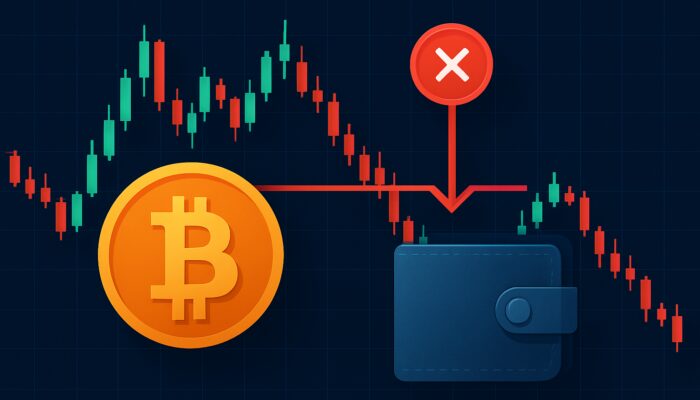
Understanding how to execute a stop-loss order is fundamental to grasping its significance in trading. When the market price of an asset reaches the predetermined stop-loss level, the order is triggered. This action initiates the selling process, and the order is promptly dispatched to the exchange for execution. Once the stop-loss price is activated, the exchange treats this order like any standard market order, ensuring immediate execution.
In fast-paced markets, this automated system allows traders to exit positions without the need for constant price monitoring. This efficient execution is particularly beneficial in the highly volatile cryptocurrency markets, where prices can change dramatically in a matter of minutes. Understanding these mechanics empowers traders to leverage stop-loss orders effectively, enhancing their confidence while navigating the unpredictable market landscape.
Why Is It Essential for Traders to Commit to Using Stop-Loss Orders?
The primary purpose of implementing stop-loss orders is to safeguard against significant losses during volatile market conditions. By automating the selling process, traders can relieve the emotional burden of decision-making during high-stress situations. In cases of sudden market downturns, stop-loss orders respond decisively, preventing traders from clinging to losing positions out of misplaced hope or fear.
Stop-loss orders encourage a structured trading methodology, allowing traders to stick to their strategies even when faced with abrupt market changes. This disciplined approach is invaluable for nurturing a focused trading mindset, enabling traders to prioritise their long-term objectives rather than reacting impulsively to short-term price fluctuations, which can lead to poor decision-making.
What Types of Stop-Loss Orders Are Available for Traders?
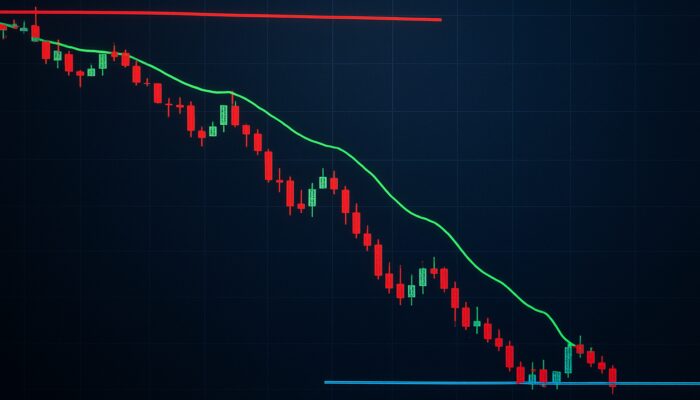
Various types of stop-loss orders exist, each tailored for specific trading scenarios. Understanding these options can significantly enhance traders’ decision-making capabilities. The most prevalent types include:
- Standard Stop-Loss Order: Triggers a market order once the specified stop price is reached.
- Trailing Stop-Loss Order: Adjusts in accordance with market price movements, enabling potential gains while still providing protection against losses.
- Stop-Limit Order: Establishes a precise limit price for execution, offering greater control but risking unexecuted orders if market prices decline too rapidly.
- Market Stop Order: Executes a market order immediately when the stop price is reached, ensuring quicker sales but potentially leading to slippage in volatile conditions.
A thorough understanding of these various order types allows traders to tailor their strategies according to their market outlook and risk tolerance, maximising the benefits of effectively employing stop-loss orders.
What Are the Potential Risks and Limitations of Stop-Loss Orders?
Although stop-loss orders are powerful instruments in a trader’s arsenal, they come with inherent risks and limitations. One major concern is slippage, particularly in volatile markets where prices may plummet suddenly, leading to execution at a less favourable price than expected. False triggers can occur when market fluctuations dip briefly below the stop-loss level, resulting in unnecessary sales that could have been avoided.
Stop-loss orders do not provide complete protection against price gaps that may occur during market openings or significant news events, where prices might open significantly lower than the previous close. To effectively manage these risks, traders should remain vigilant and consider setting wider stop-loss levels or combining stop-loss orders with other risk management techniques to enhance overall trading success and stability.
What Expert Insights Can Enhance Your Understanding of Stop-Loss Orders in Crypto Trading?
How Can Stop-Loss Orders Benefit Seasoned Traders?
Experienced traders can reap substantial benefits from using stop-loss orders, particularly in the unpredictable cryptocurrency market. These traders often encounter rapid price fluctuations, where a strategically placed stop-loss order can help secure gains and limit losses. For instance, a trader purchasing Bitcoin at $50,000 might establish a stop-loss at $48,000 to ensure that sudden declines do not erode their profits.
Stop-loss orders assist seasoned traders in maintaining discipline within their trading strategies, preventing impulsive decisions that may arise from market noise. By relying on stop-loss mechanisms, they can concentrate on their analysis and long-term objectives, fostering a structured trading approach that frequently results in improved performance and success in their trading endeavours.
What Factors Should Experienced Traders Consider Regarding Stop-Loss Orders?
Despite their numerous advantages, stop-loss orders can present challenges that experienced traders should be mindful of. Slippage is a notable risk, particularly during times of heightened volatility when market prices can diverge sharply from stop-loss levels. To optimise orders and minimise slippage, traders may opt to set stop-loss levels further from current prices, allowing for natural market fluctuations without triggering unnecessary sales.
Traders should also be cautious of false triggers, where brief price dips lead to premature execution of stop-loss orders. Developing a solid understanding of market behaviour, coupled with effective technical analysis, can assist traders in crafting more effective stop-loss orders, ultimately enhancing their overall trading performance.
How Can You Integrate Stop-Loss Orders with Other Trading Tools?
Combining stop-loss orders with additional trading instruments and indicators can significantly bolster overall trading strategies. For example, aligning stop-loss orders with technical indicators such as moving averages or the Relative Strength Index (RSI) can provide traders with valuable insights regarding optimal entry or exit points. This integration facilitates more informed decision-making, allowing traders to adjust their stop-loss levels based on current market conditions and technical signals, ultimately enhancing their trading effectiveness.
Real-world examples highlight the effectiveness of this approach. A trader employing a trailing stop-loss alongside moving averages may modify their stop levels as the market shifts positively, securing profits while allowing for further growth. This strategic methodology encourages a more flexible trading approach, which is essential in the fast-paced cryptocurrency environment.
How to Determine Optimal Stop-Loss Levels?
Establishing effective stop-loss levels is a nuanced process that depends on several factors, including market volatility, personal risk tolerance, and historical price data. Seasoned traders often recommend positioning stop-loss levels at a distance that reflects the asset’s typical price movements. For example, a trader examining the daily volatility of Ethereum might set their stop-loss at a level that accommodates these fluctuations without jeopardising their position.
Real-world scenarios underline the necessity of adjusting stop-loss levels based on market trends. If a cryptocurrency is undergoing an uptrend, raising the stop-loss closer to the current price can effectively secure profits while still allowing for potential gains. This adaptability is vital for traders seeking to optimise their performance while effectively managing risk in the ever-evolving cryptocurrency landscape.
What Are the Key Benefits of Implementing Stop-Loss Orders?
How Do Stop-Loss Orders Strengthen Trade Security?
Stop-loss orders substantially enhance trade security by minimising the likelihood of emotional trading errors. By establishing predefined exit points, traders can avoid the panic often associated with sudden market declines. This proactive strategy not only helps to protect profits but also reduces risks within the dynamic realm of crypto trading.
Utilising stop-loss orders fosters discipline among traders, encouraging adherence to their trading plans rather than succumbing to fear or greed. This disciplined mindset is crucial for sustaining a healthy trading attitude and achieving long-term success in the competitive cryptocurrency market.
Are Stop-Loss Orders Suitable for All Types of Traders?
Stop-loss orders can benefit various trading styles, although their appropriateness ultimately hinges on each trader’s objectives and strategies. For instance, short-term traders may find stop-loss orders vital for shielding their assets from rapid price movements, while long-term investors might favour strategies that align with their investment horizon.
- Day traders: Ideal for swift exits to secure profits amidst daily market fluctuations.
- Swing traders: Effective for curbing losses during market fluctuations, maximising short-term gains.
- Long-term investors: May opt for wider stop-loss levels to accommodate inherent market volatility.
- Scalpers: Can utilise tight stop-loss orders to minimise risk exposure.
By weighing these advantages and disadvantages, traders can assess how best to incorporate stop-loss orders into their strategies, ensuring alignment with their unique trading styles and risk profiles.
How to Evaluate the Effectiveness of Stop-Loss Orders Over Time?
The long-term advantages of stop-loss orders in preserving portfolio health are noteworthy. By consistently applying stop-loss orders, traders can limit their losses and measure performance metrics over time. This ongoing evaluation enables traders to refine their strategies based on historical performance, thereby enhancing their trading discipline and effectiveness in the dynamic market environment.
Tracking the impact of stop-loss orders over extended periods allows traders to hone their methodologies, leading to sustained benefits in portfolio management. Understanding the relationship between stop-loss orders and overall trading success is crucial for optimising investment strategies in the ever-changing cryptocurrency landscape.
How to Combine Stop-Loss Orders with Additional Trading Strategies?
Integrating stop-loss orders with other trading strategies can establish a robust trading framework that enhances overall risk management. For instance, pairing stop-loss orders with take-profit orders allows traders to secure gains while effectively limiting potential losses. This dual approach can amplify returns in volatile markets, offering a balanced strategy for effective risk management.
Incorporating position sizing alongside stop-loss orders enables traders to tailor their risk exposure according to their overall portfolio strategy. By harmonising these elements, traders can develop comprehensive trading plans that maximise their potential for success in the constantly evolving cryptocurrency landscape.
What Psychological Benefits Do Stop-Loss Orders Provide?
Stop-loss orders offer significant psychological advantages by automating the decision-making process regarding selling, which can otherwise lead to emotional turmoil. During periods of market distress, traders may experience panic selling or irrationally hold onto losing positions out of fear. By employing stop-loss orders, traders can cultivate discipline and confidence in their trading practices, alleviating the mental stress associated with market volatility.
The assurance that a stop-loss order is in place empowers traders to engage with the market with a focused mindset, enabling them to concentrate on strategy rather than emotions. This psychological edge can greatly enhance trading outcomes over time, making stop-loss orders an invaluable component of any successful trading strategy.
What Proven Strategies Should Be Implemented for Stop-Loss Orders in Crypto Trading?
How to Create a Customised Stop-Loss Strategy?
Tailoring stop-loss orders to align with personal risk tolerance is crucial for effective trading. Traders should first identify their risk appetite, which can vary greatly depending on experience and investment goals. For example, conservative traders may prefer tighter stop-loss levels to limit potential losses, while more aggressive traders might opt for wider stops that accommodate market variations.
Experts recommend conducting comprehensive analyses of past trading performance to set benchmarks for determining stop-loss orders. By consistently applying these personalised strategies, traders can develop a systematic approach to risk management in their cryptocurrency trading activities, thereby improving their overall performance.
How to Adjust Stop-Loss Orders in Real-Time?
The capacity to modify stop-loss orders in real-time, based on market dynamics, is essential for maintaining control over trades. Traders must remain attentive to market conditions, adjusting their stop-loss levels as necessary to reflect new information or price behaviours.
Effective strategies for adaptability include regularly reviewing market trends and news that might influence asset prices. Utilizing technical analysis tools can assist traders in identifying appropriate adjustments to their stop-loss orders, ensuring they remain responsive to the dynamic cryptocurrency market.
Why Is It Beneficial to Combine Stop-Loss Orders with Other Techniques?
Integrating stop-loss orders with hedging strategies can significantly enhance trading results by adding extra layers of protection. For instance, traders might employ options or futures contracts to hedge against potential losses while also using stop-loss orders to manage their active trades.
This combined strategy not only reduces overall risk exposure but also enables traders to capitalise on market opportunities more effectively. Exploring these synergies can lead to improved outcomes in trading activities, making the integration of stop-loss orders with other strategies a powerful approach in the competitive cryptocurrency landscape.
What Are the Main Risks and Limitations Associated with Stop-Loss Orders?
What Common Mistakes Should Traders Avoid?
Several common errors can undermine the effectiveness of stop-loss orders. Frequent pitfalls include setting inappropriate stop-loss levels, whether too tight or too loose, resulting in premature sell-offs or inadequate protection against significant losses.
To steer clear of these mistakes, traders should conduct thorough analyses of market conditions and historical price movements before determining their stop-loss levels. Maintaining discipline and adhering to a well-defined trading strategy is vital for achieving reliable outcomes in trading, thereby fostering a successful trading journey.
How Can Traders Tackle Challenges Linked to Stop-Loss Orders?
Addressing challenges such as market gaps requires a strategic approach to implementing stop-loss orders. When anticipating potential significant price gaps, traders may consider setting stop-loss orders at wider intervals to accommodate sudden shifts in market conditions and avoid unnecessary executions.
Utilising alerts and monitoring tools can provide timely notifications, allowing traders to respond swiftly to major market changes. By cultivating awareness and adaptability, traders can enhance the effectiveness and robustness of their stop-loss implementations, leading to improved trading outcomes.
How to Assess the Overall Impact of Stop-Loss Orders?
Evaluating the broader effects of stop-loss orders on trading success involves analysing various factors, including market dynamics, trader psychology, and the execution of stop-loss strategies. Understanding how stop-loss orders influence overall performance can yield valuable insights into their effectiveness across different trading scenarios.
Traders should regularly review their trading histories and performance metrics to gauge the impact of stop-loss orders on their success rates. This evaluation process is essential for refining trading strategies and ensuring that stop-loss orders contribute positively to overall trading outcomes, facilitating long-term success.
What Psychological Factors Affect the Use of Stop-Loss Orders?
Trader psychology plays a crucial role in the success of stop-loss orders. Emotions such as fear and greed can significantly influence decision-making processes, often undermining the intended benefits of stop-loss strategies.
To enhance emotional discipline and decision-making, traders can adopt techniques such as documenting their trading experiences, practising mindfulness, and establishing clear trading plans. By addressing these psychological factors, traders can improve their ability to manage risk and make informed decisions, ultimately leading to better trading results over time.
Frequently Asked Questions (FAQs)
What Is the Main Purpose of a Stop-Loss Order in Cryptocurrency Trading?
The primary purpose of a stop-loss order is to limit an investor’s losses by automatically selling a cryptocurrency when its price reaches a predefined level, thereby safeguarding the trader’s capital and investment portfolio.
How Does a Stop-Loss Order Differ from a Take-Profit Order?
While a stop-loss order aims to limit losses by selling at a specified price, a take-profit order is intended to secure profits by selling an asset once it reaches a predetermined price target, thus locking in gains.
Can I Use Stop-Loss Orders on All Cryptocurrency Exchanges?
Most reputable cryptocurrency exchanges offer the functionality to set stop-loss orders, but it is essential to verify each platform’s specific features and capabilities to ensure proper execution.
What Is Slippage in Relation to Stop-Loss Orders?
Slippage refers to the difference between the expected price of an order and the actual price at which the order is executed, often occurring in volatile markets when prices fluctuate rapidly, affecting order fulfilment.
Are There Risks Associated with Using Stop-Loss Orders?
Yes, risks include potential slippage during volatile market conditions, false triggers resulting from temporary price dips, and limitations in protecting against price gaps during significant market events.
How Can I Determine the Right Stop-Loss Level for My Trades?
Finding the appropriate stop-loss level involves analysing market volatility, historical price movements, and your personal risk tolerance to establish an optimal balance that aligns with your trading strategy.
Can I Modify My Stop-Loss Order After Setting It?
Yes, most trading platforms allow you to modify or adjust your stop-loss orders in real-time based on evolving market conditions and personal trading strategies.
What Is a Trailing Stop-Loss Order?
A trailing stop-loss order is an advanced type of stop-loss that adjusts in line with the market price, enabling traders to lock in profits while still protecting against adverse price movements, thereby providing a dynamic risk management tool.
How Effective Are Stop-Loss Orders in Highly Volatile Markets?
Stop-loss orders can be effective in volatile markets; however, their efficacy may be reduced by slippage and the potential for false triggers during rapid price changes, necessitating careful implementation.
Is It Advisable to Use Stop-Loss Orders for Long-Term Investing?
While stop-loss orders are primarily utilised in trading to manage risk, they can also benefit long-term investors by protecting against significant downturns, provided they are tailored to fit the investor’s broader investment strategy.
Join our vibrant community on Facebook!
The Article Stop-Loss Order Explained for Crypto Trading Success Was Found On https://limitsofstrategy.com
References:
https://cityaccommodations.com.au/stop-loss-order-a-key-to-successful-crypto-trading/