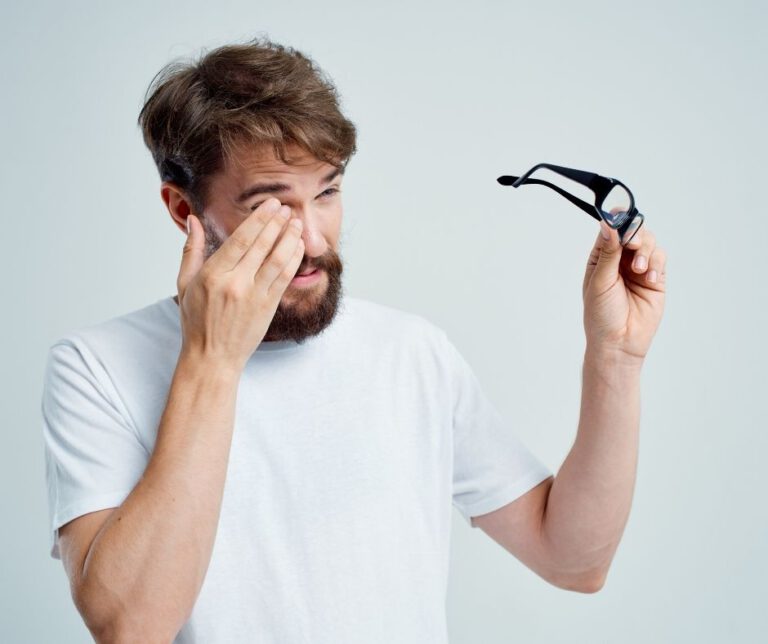
If you have ever dealt with sore, gritty, itchy, or watery eyes, you may be questioning whether you can effectively manage this condition at home or if professional help is necessary. A common query we receive at Eyes by Design is: “Can optometrists provide effective treatment for dry eye conditions?”
Short answer: Yes, consulting an optometrist is often the most beneficial first step. With over 30 years of clinical experience, I have seen numerous individuals spend months or even years experimenting with different eye drops, home remedies, and pharmacy suggestions without ever pinpointing the underlying cause of their symptoms. Many people misunderstand dry eye as simply a lack of tears, but the truth is usually more complex. Effective treatment depends on identifying the actual source of the problem.
Debunking Myths Surrounding Dry Eye Symptoms
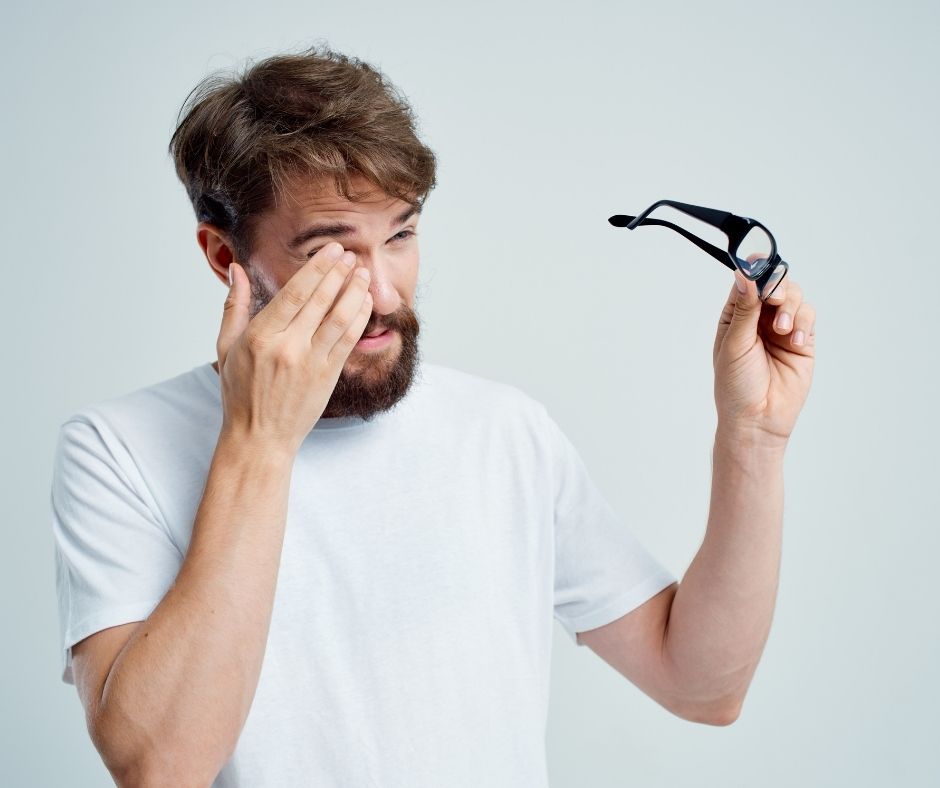
When people think of dry eyes, they often associate it solely with a dry sensation. the reality can be quite different. Common symptoms include sore eyes, a gritty or sandy feeling, itching, burning or stinging sensations, blurred vision, eye fatigue, and, unexpectedly, excessive tearing.
The last symptom can be especially misleading. When the surface of the eye becomes irritated or dry, it can trigger an increase in reflex tears. Unfortunately, these tears are often of poor quality and do not address the underlying issue, leading many to treat their watery eyes for months without realising that dryness is the true culprit. For more detailed information, visit our dedicated dry eye page.
Uncovering the Real Causes of Dry Eye
Dry eye is not caused by a single factor, which adds to the confusion surrounding it. In practice, we frequently observe that a combination of factors contributes to the problem.
- Ageing: As we age, both the quantity and quality of our tears naturally decline.
- Menopause: Hormonal fluctuations can significantly influence tear production. This is why many women first notice symptoms during perimenopause and menopause (read more about the connection between dry eye and menopause).
- Screen Time: Prolonged focus on screens drastically reduces blinking rates, leading to faster evaporation of the tear film.
- <a href=”https://limitsofstrategy.com/effortlessly-smoothing-flyaways-for-perfect-hair/”>Environmental Factors:</a> Conditions such as air conditioning, heating, wind, dust, pollen, and low humidity can worsen symptoms.
- Contact Lenses: Wearing contact lenses can disrupt the tear film and increase evaporation rates.
- <a href=”https://writebuff.com/glaucoma-testing-essential-for-your-eye-health-this-march/”>Eye Surgery:</a> Procedures like LASIK can impact the nerves responsible for regulating tear production (learn more about LASIK and dry eye).
Understanding Eyelid Dysfunction as a Significant Factor
Many individuals are surprised to discover that dry eye is often not primarily about tear production. In my experience, most cases are linked to meibomian glands—small glands located along the eyelid edges that produce the oils forming the outer layer of the tear film. Their function is to slow down tear evaporation. When these glands become blocked, inflamed, or malfunction, tears evaporate more quickly than they should. This condition is known as meibomian gland dysfunction or blepharitis and is a leading cause of chronic dry eye. This underscores the importance of maintaining proper eyelid hygiene.
Examining the Link Between Dry Eye and Binocular Vision Problems
Many discussions about dry eye overlook this vital aspect. While reduced blinking during screen time certainly contributes to dry eye, it doesn’t tell the whole story. Often, symptoms attributed to dry eye actually arise from binocular vision issues, where the eyes struggle to work together, maintain focus, or track text, forcing the visual system to exert extra effort.
This strain can result in sore, fatigued eyes, discomfort, watering, blurred vision, and difficulty during reading or prolonged screen use. Over the years, I have encountered numerous patients who believed they had dry eyes, only to find that a significant part of their issue was related to challenges with eye-teaming or focusing. Once these problems were recognised and treated—often with the appropriate prescription glasses—their symptoms improved significantly. Sometimes it’s dry eye; other times, it’s a binocular vision issue, or both. This is why a thorough assessment is essential.

Why Eye Drops Are Not Enough to Solve Dry Eye Problems
A common misconception is that managing dry eye begins and ends with lubricating drops. While eye drops can offer temporary relief, they often only address symptoms rather than the underlying issues, providing short-term comfort before symptoms reappear. If you find yourself depending on drops multiple times a day without lasting improvement, it typically signifies that the root cause remains unaddressed, akin to applying a band-aid on a wound that needs more thorough treatment. (For a comparison of options, check out our guide on the best eye drops for dry eyes.)
Effective treatment focuses on identifying the root cause. For many, this involves caring for the health of the eyelids and meibomian glands, which may include:
- Lubricating or lipid-based eye drops
- Eyelid hygiene and cleansing products
- Heat masks (learn how heat packs help alleviate dry eyes)
- Omega fatty acid supplements
- Moisture chamber sleep masks
- Prescription medications
- Environmental adjustments
- Management of binocular vision issues as necessary
Throughout my three decades of practice, I’ve adhered to a guiding principle: why implement ten solutions when three will suffice? The best strategy targets the specific cause while remaining practical and sustainable.
The Significance of Quality Heat Masks for Dry Eye Relief
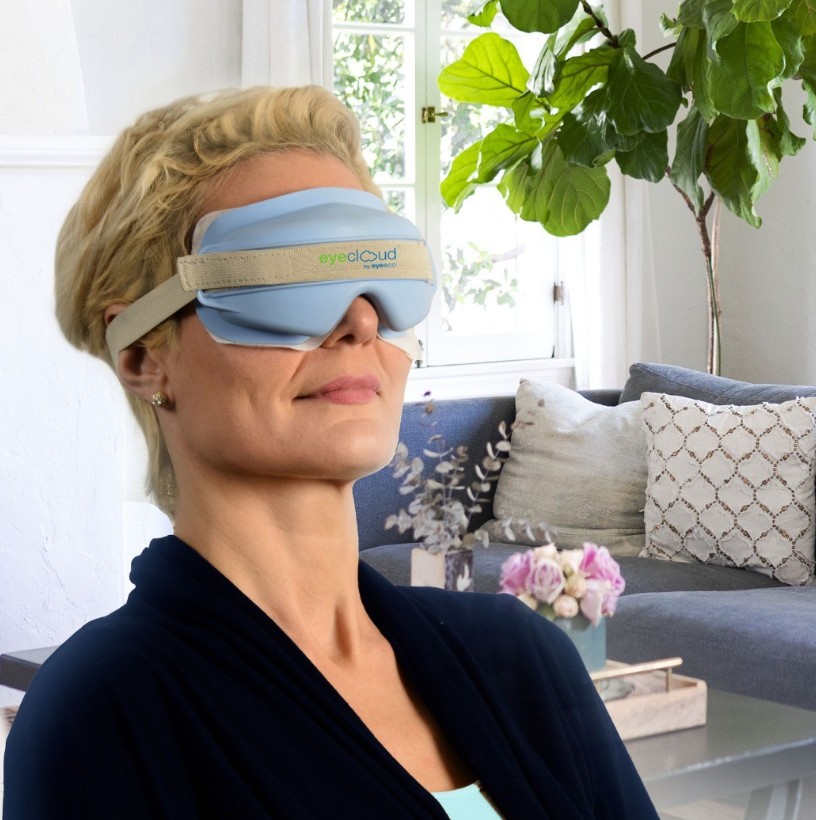
Many people try to manage dry eye with a hot face washer or a homemade heat pack. A face washer retains heat for only a minute or two, while effective treatment requires sustained warmth. Although homemade packs can provide heat for longer, they typically deliver dry heat, which is less effective than moist heat. They also often harbour bacteria from the eyelid margins, necessitating regular replacement. Effective treatment involves using moist heat for an adequate duration to soften the oils in the glands and promote their flow. This is why I recommend commercial-grade products such as the Eyecloud, TranquilEyes XL, or Eye Doctor compress.
What Happens During a Dry Eye Assessment?
One of the primary advantages of consulting an optometrist is our ability to quickly identify the cause of your dry eye, as opposed to the trial and error approach often taken at home. During an assessment, we evaluate the quality and stability of your tear film, the health of your eyelids and meibomian glands, the condition of your cornea, and any signs of inflammation or infection. We often use a fluorescein dye to assess the stability of the tear film, its evaporation rate, and whether the surface has sustained any damage.
Why Optometrists Are Your Best Option for Dry Eye Management
Many individuals first consult a pharmacist or general practitioner when symptoms arise. While both play essential roles, they typically lack the specialised tools, such as slit lamp microscopes, diagnostic dyes, and tear film assessment tools, needed for a comprehensive evaluation of the tear film, eyelids, and ocular surface. Most importantly, we can determine the actual cause of your symptoms: whether it’s dry eye, allergies, inflammation, infection, or a binocular vision issue, as each condition requires a different treatment approach. For most individuals suffering from dry eye, an optometrist is the most suitable starting point, as we can identify the cause, initiate treatment, and refer you to an ophthalmologist if advanced care is necessary.
Frequently Asked Questions About Dry Eye Treatment
Are optometrists capable of providing effective treatment for dry eye?
Yes. Optometrists are often the best choice for initial treatment. We possess the necessary equipment to assess your tear film, eyelids, and ocular surface, identify the underlying cause, initiate treatment, and refer you to an ophthalmologist if more advanced management is required.
Can excessive tearing be a sign of dry eye?
Yes, and this often surprises many. When the surface of the eye is irritated or dry, it may produce an excess of poor-quality reflex tears. Many individuals spend months addressing watery eyes without understanding that dryness is the core issue.
Why don’t eye drops resolve my dry eye symptoms?
Eye drops frequently tackle symptoms rather than the root cause, leading to temporary relief. If you find yourself using drops several times a day without lasting improvement, it usually indicates that the underlying cause—often linked to eyelid and meibomian gland health—has not been sufficiently addressed.
What are the main causes of dry eye?
Ageing, hormonal changes during menopause, prolonged screen use, dry or air-conditioned environments, contact lens wear, and certain eye surgeries all contribute to dry eye. The most prevalent cause is meibomian gland dysfunction, which affects the eyelid glands responsible for preventing tears from evaporating too quickly.
When should I consult an optometrist about my dry eye?
If you frequently depend on drops without achieving lasting relief, or if you experience persistent discomfort, excessive tearing, blurred vision, recurrent styes, redness, or burning sensations, it’s time to seek a professional evaluation. Untreated dry eye can lead to more significant surface damage.
Find Effective Relief from Dry Eye Discomfort Today
The most important message I want to convey is that dry eye is manageable. Many individuals resign themselves to living with sore, irritated, or watery eyes, believing it’s just a part of life. In reality, receiving the correct diagnosis often leads to effective treatment surprisingly quickly. Many patients notice significant improvement within the first week or two of implementing a targeted plan. If you’re on the Central Coast and have been struggling with dry eye, schedule a comprehensive assessment with us at Eyes by Design in Kincumber. To make an appointment, call (02) 4369 8169.
Original Article First Published At: Do Optometrists Treat Dry Eye? What Actually Works
The Article: Optometrists Treat Dry Eye: Effective Solutions Explained first appeared on https://writebuff.com
The Article Effective Solutions for Dry Eye Treatment by Optometrists Was Found On https://limitsofstrategy.com
References:
Https://limitsofstrategy.com/effective-solutions-for-dry-eye-treatment-by-optometrists/
https://cityaccommodations.com.au/dry-eye-treatment-effective-solutions-from-optometrists/