When you detect a gas smell in your home, prioritising safety is essential. Cease all activities immediately and evacuate everyone from the premises, including children, pets, and elderly relatives. Once you are safely outside, continue reading this comprehensive guide to ensure the right actions are taken during such emergencies.
Gas leaks are a serious plumbing emergency, and the actions you take within the first 30 seconds can significantly impact the outcome. Quick decisions can mean the difference between incurring substantial repair costs or facing a catastrophic explosion. Both natural gas and LPG can become highly explosive when mixed with air in particular ratios. A single spark from a light switch, mobile phone, or appliance could trigger a devastating explosion.
The following crucial emergency steps must be followed without hesitation to protect your safety and the safety of your loved ones.
Immediate Safety Actions: What to Do During a Gas Leak
- Evacuate the premises without delay — do not waste time gathering personal belongings. Ensure everyone, including children, pets, and elderly relatives, moves at least 50 metres away from the building immediately.
- Do not use electrical switches — avoid turning lights on or off, unplugging devices, or using your mobile phone indoors, as these actions could create a spark that ignites the gas.
- Steer clear of any flames or ignition sources — do not use lighters, matches, cigarettes, candles, or BBQ igniters near the leak, as these can lead to ignition.
- Turn off the gas at the meter (if safe) — if it is safe to do so without re-entering the house, locate the shutoff valve at the gas meter, typically found on the side of the home. Turn the valve handle perpendicular to the pipe to securely close it.
- Contact emergency services by dialling 000 — if you detect a strong gas odour or suspect a significant leak, alert emergency responders immediately for your safety.
- Call your gas distributor’s emergency hotline — in the Moreton Bay region, this typically means contacting Australian Gas Networks, who can assist with the situation.
- Reach out for professional assistance — after addressing the immediate emergency, a licensed gas fitter must locate and repair the leak, thoroughly testing the system before resuming gas service. You can contact us at 1300 793 962 for expert help.
How Can You Safely Detect a Gas Leak?
- The distinctive scent of gas: Since natural gas is odourless, a chemical called mercaptan is added to give it a strong rotten egg or sulphur-like smell. If you detect even the faintest hint of this scent, treat it as a serious warning sign and act accordingly.
- A hissing sound: Gas escaping from a pipe or joint under pressure often produces a hissing or whistling noise. Check around your gas meter, hot water system, cooktop connections, and gas heater lines for any audible signs of leakage.
- Signs of wilting plants: Gas leaking from underground pipes can harm vegetation above ground. If you notice a patch of dead grass near a gas line that cannot be attributed to drought, it may indicate a gas leak.
- Physical symptoms experienced: Exposure to low levels of gas can cause symptoms such as headaches, dizziness, nausea, fatigue, and difficulty breathing. If multiple individuals feel unwell simultaneously near gas appliances, it is crucial to vacate the area and investigate the source.
- Unexpectedly high gas bills: Even if a leak is undetectable by smell or sound, it can still lead to increased costs. If your gas bill rises unexpectedly, arrange for a system pressure test to assess the situation.
- Bubbling in water sources: If a gas line runs close to water sources like puddles or fish ponds, you might notice bubbling where gas escapes underground, indicating a potential leak.
Identifying Common Gas Leak Locations in Caboolture Homes
- Hot water system connections: This is the most common site for gas leaks. Outdoor gas appliances are vulnerable to environmental factors, soil movement, and corrosion, which can lead to loose connections over time.
- Flexi hose connections: Gas flexi hoses deteriorate similarly to water flexi hoses. The rubber components can break down, fittings may corrode, and leaks can occur at the connection points.
- Underground gas pipelines: Older homes may have steel or copper gas pipes buried underground. Shifting clay soil, corrosion, and interference from tree roots can compromise the integrity of these pipes.
- Connections for cooktops and ovens: The bayonet fittings behind ovens and cooktops can become loose, particularly if the appliance has been frequently moved in and out.
- Gas meter and pressure regulator: Leaks may occur at the connections, seals, or diaphragm of the meter and pressure regulator, which should be monitored closely.
Understanding the Dangers: Why DIY Gas Work Is Illegal in Queensland
In Queensland, all gas fitting tasks must be conducted by a licensed gas fitter, as outlined in the Plumbing and Drainage Act 2018. This regulation encompasses various activities:
- Connecting or disconnecting gas appliances — requires the expertise and licensing of a professional gas fitter, particularly when relocating a gas cooktop or similar equipment.
- Repairing gas pipes and fittings — even minor tasks, such as tightening a connection on a gas line, necessitate the involvement of a licensed professional to ensure safety.
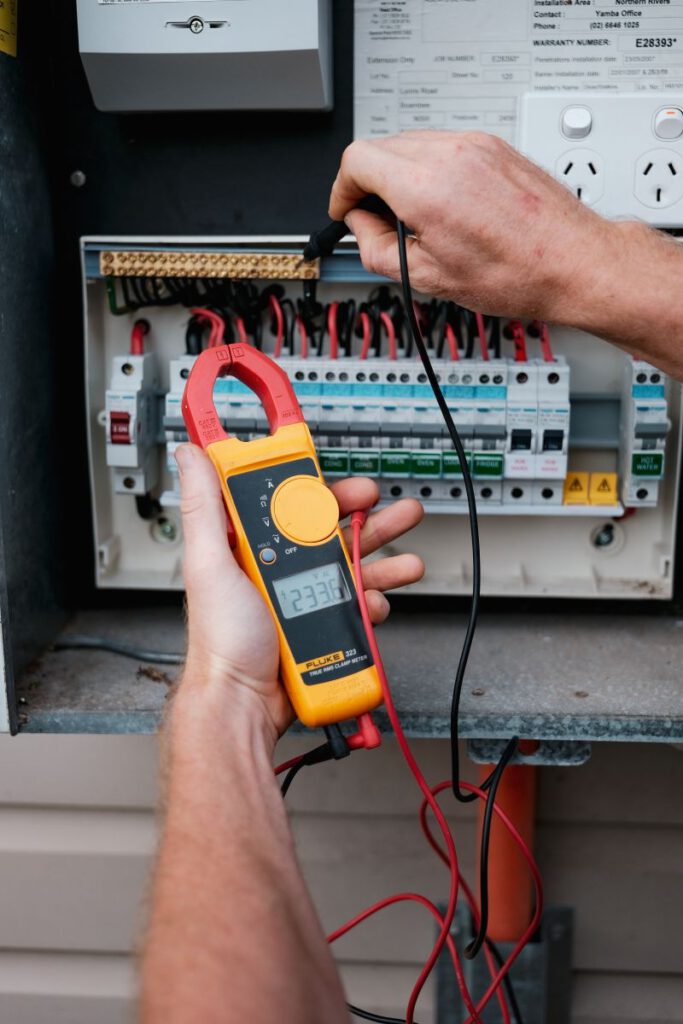
- Testing gas systems — pressure testing and leak detection must be performed by qualified experts to guarantee the integrity of the gas system.
The penalties for unlicensed gas work can be severe, reaching up to $40,000 for individuals. More importantly, unlicensed work can void your home insurance and, even more critically, endanger lives and safety.
Preventative Measures to Avoid Gas Leaks: Keeping Your Home Safe
- Annual gas system inspections: A licensed gas fitter will perform pressure tests, examine all connections, and assess appliances for safety, ensuring everything is functioning correctly.
- Regular replacement of gas flexi hoses: Follow the same guidelines as water flexi hoses: it is advisable to replace them every 5 years to maintain safety and functionality.
- Pre-purchase plumbing inspections: Planning to buy a home? Ensure a thorough plumbing inspection includes testing for the gas system to identify potential issues beforehand.
- Know the location of your shutoff valve: Every adult in the household should know where the gas meter is located and how to turn it off quickly in an emergency.
- Install a gas detector: Battery-operated units can provide early warnings of leaks, especially in enclosed spaces like laundries and garages, enhancing your safety.
Costs Involved in Gas Leak Repairs
- Basic connection repairs: These typically start from $300, depending on the extent of the work required.
- Underground pipe repairs or replacement: This can begin at $1,500, depending on the complexity of the job and the accessibility of the pipes.
We guarantee transparent pricing following our diagnostic process—no hidden surprises, allowing you to plan accordingly.
Do Not Ignore Even a Mild Gas Odour: Take Immediate Action
If you notice an unusual odour near your gas appliances or gas meter, do not dismiss it as trivial. A small leak today can escalate into a serious problem tomorrow, potentially endangering your home and family. It is vital to have it investigated promptly to ensure safety.
Contact us at 1300 793 962 or request a professional gas safety inspection to address any concerns you may have.
Frequently Asked Questions About Gas Leaks
What does a gas leak smell like?
Natural gas is inherently odourless. To assist in leak detection, a chemical known as mercaptan is added, giving it a strong scent reminiscent of rotten eggs or sulphur. LPG (bottled gas) contains a similar additive. If you detect this smell near gas appliances, pipes, or your meter, consider it a potential leak until proven otherwise.
Can a gas leak make you sick?
Yes. Exposure to low levels of gas can result in symptoms such as headaches, dizziness, nausea, fatigue, and respiratory issues. Prolonged exposure in confined spaces may lead to carbon monoxide poisoning, which can be fatal. If multiple individuals in your household feel unwell simultaneously, particularly near gas appliances, evacuate immediately and seek professional help.
How much does it cost to repair a gas leak in Caboolture?
Basic connection repairs typically start from $300. If the leak is located in an underground pipe or requires replacing a section of the gas line, costs can commence from $1,500, depending on the complexity and accessibility of the job. We pride ourselves on offering upfront pricing after diagnosis, ensuring no unexpected costs.
How do plumbers locate gas leaks?
We use advanced electronic gas detection equipment that can accurately pinpoint the exact location of a leak, even if it is underground. We conduct pressure tests on the gas system—pressurising the pipes and monitoring for any drops in pressure that could indicate a leak.
Is it safe to remain in the house if there is a small gas leak?
No, it is not safe. Even minor leaks pose a risk, as gas can accumulate in confined spaces, reaching explosive levels. Always evacuate the premises, ventilate by opening windows and doors from the outside if possible, and contact a licensed gas fitter to investigate the issue and ensure safety.
The Article: Gas Smell? Immediate Actions to Take Right Now first appeared on https://writebuff.com
The Article Gas Smell? Essential Steps to Take Immediately Was Found On https://limitsofstrategy.com