Why Is Accurate Foot Measurement Critical for Choosing Barefoot Shoes?
Accurate foot measurement plays a pivotal role in selecting barefoot shoes, impacting your overall comfort and support. This is especially crucial for individuals who lead active lifestyles and aim to enhance their performance.
At <a href="https://cityaccommodations.com.au/barefoot-shoes-explore-their-distinct-walking-advantages/"><a href="https://limitsofstrategy.com/myshoesfinder-com-your-place-to-get-barefoot-shoes/">MyShoesFinder</a></a>, we are dedicated to assisting you in your quest for the perfect barefoot shoes, guiding outdoor enthusiasts and fitness aficionados in finding the ideal fit for their unique foot shapes. Our website offers detailed guides and resources to empower you in making informed decisions regarding your footwear choices.
This comprehensive guide will delve into the key aspects of measuring your feet, including:
- Essential tools for precise measurements
- Step-by-step instructions for measuring both the length and width of your feet
- Common measurement pitfalls to avoid
- How to accurately interpret your measurements for proper shoe sizing
- Recognising the differences in sizing between Xero Shoes and traditional shoe sizes
What Tools Are Necessary for Precise Foot Measurement?
To effectively measure your feet for barefoot shoes, gather a few key tools that will simplify the process. The following items will help you prepare thoroughly and yield reliable results:
- Flexible tape measure: This tool is essential for measuring both the length and width of your foot, providing the flexibility required for accurate readings.
- Ruler: A straight edge is beneficial for marking important points on your foot, ensuring consistent length measurements.
- Pencil or pen: Use this for making reference marks on the ground or on paper.
- <a href=”https://limitsofstrategy.com/house-clearance-cost-saving-hacks-uk-guide/”>Paper or cardboard:</a> Ideal for tracing the outline of your foot, giving you a clear visual representation of its shape.
- Flat surface: A hard, flat area is crucial for accurate measurements without distortion.
- Assistance from another person (optional): Having someone assist can enhance stability and precision during the measurement process.
By gathering these tools ahead of time, you set yourself up for a successful measurement process, ensuring your foot size is recorded accurately, which is essential for selecting the right model of barefoot shoes.
How Can You Measure Your Foot Length with Precision?
Accurately measuring your foot length is vital for selecting the correct size of barefoot shoes. Start by placing your foot flat on a hard surface, ensuring that your heel is firmly pressed against a wall or straight edge. Once your foot is correctly positioned, use a ruler or tape measure to measure the distance from the back of your heel to the tip of your longest toe.
It is important to maintain even weight distribution during this process to avoid compressing your foot, which can result in inaccurate readings. After marking the endpoint, carefully measure the distance using your tape measure or ruler. Repeat this measurement for both feet, as many individuals experience slight size variations between their left and right feet.
By knowing your exact foot length, you can confidently compare your measurements with official size charts, guiding you toward the best-fitting shoe.
What Common Measurement Mistakes Must You Avoid?
Miscalculations in foot measurement can lead to discomfort and improper sizing, particularly with barefoot shoes. Frequent errors include incorrect foot positioning, such as failing to keep the heel against a wall or not ensuring that the foot is flat. These mistakes can cause measurements that either underestimate or overestimate your true size.
Using outdated measurement tools can also significantly compromise accuracy. A worn tape measure or a ruler with faded markings can lead to miscalculations. Always check the condition of your tools before you begin measuring to ensure reliable results.
Another common oversight is neglecting to measure both feet. Since many people have one foot larger than the other, measuring both ensures you select a size that accommodates the larger foot, enhancing comfort and reducing the risk of blisters or pressure points.
How Do You Accurately Measure Your Foot Width?
Measuring your foot width accurately is essential for finding the right fit in barefoot shoes, as fit can vary significantly between different models. Begin by placing your foot flat on a surface, allowing it to relax. Using a flexible tape measure, measure the widest part of your foot, typically across the ball of the foot.
Wrap the tape measure around this area snugly, but not too tightly, allowing for slight expansion that may occur during activities. Carefully record the width measurement and take your time with this process, as rushing can lead to inaccuracies. Remember to measure both feet, as width can differ between them.
By understanding your foot width alongside the length, you can make a well-informed decision about which barefoot shoe model will offer the best fit for your unique foot shape, enhancing both comfort and support.
How Do You Interpret Your Measurements for Barefoot Shoe Sizing?
Once you have your foot length and width measurements, the next step is to compare them to the official size charts provided by barefoot shoe manufacturers. Begin by locating the appropriate chart on their website, which typically offers a comprehensive guide for converting your measurements into the correct shoe size.
Consider factors such as the thickness of your socks or the specific activities you plan to engage in. For example, running may necessitate a tighter fit compared to casual wear. If your measurements fall between sizes, reflect on your personal comfort preferences.
A larger size might be suitable if you intend to wear thicker socks or prefer a looser fit during activities. Conversely, a snug fit may be essential for specific models designed for performance, ensuring that your shoes remain secure and comfortable during use.
What Techniques Can Enhance the Accuracy of Measuring Foot Width?
Accurate foot width measurement is crucial for obtaining the best fit in barefoot shoes, especially for individuals with wider or narrower feet. One effective method is to use a width gauge, which provides precise readings of your foot’s widest part.
If a width gauge is unavailable, a piece of string can serve as a useful alternative. Wrap it around the broadest part of your foot, marking where it overlaps. Then, lay the string flat and measure it against a ruler for an accurate width reading.
Measuring while standing can also be beneficial, as this allows your foot to expand naturally under weight. Remember to measure both feet, as asymmetries are common. This accurate width measurement will help ensure that you select a barefoot model that provides the necessary space and comfort for your foot.
Why Is It Necessary to Measure Both Feet?
Measuring both feet is essential because most individuals have one foot that is slightly larger than the other. Ignoring this can result in discomfort or improper fit in your barefoot shoes. When measuring, take note of the larger size, as this will inform your shoe selection process.
If there is a significant size difference, consider opting for a model that accommodates the larger foot. This consideration is particularly important for activities involving prolonged standing or movement, as the foot may swell, potentially exacerbating fit issues.
By acknowledging the differences between your feet, you can confidently select the right barefoot shoe model tailored to your unique foot shape, leading to a more enjoyable wearing experience.
How Frequently Should You Remeasure Your Feet?
Regular foot measurements are crucial, as various factors can lead to changes in foot size over time. Growth, weight fluctuations, and even natural swelling after a long day of activity can all influence your measurements.
It is advisable to check your foot size at least once a year or whenever you experience discomfort in your shoes. Remeasure if you start a new fitness regimen, as increased physical activity can result in changes in foot shape and size.
Wearing shoes that do not fit properly can lead to a range of issues, from blisters to long-term foot problems. By committing to regular foot measurements, you ensure that your barefoot shoes remain comfortable and supportive, enhancing your overall experience.
What Are the Fundamental Principles for Achieving Precise Sizing?
Achieving accurate sizing for your barefoot shoes requires understanding your foot’s unique measurements and aligning them with the sizing standards of the manufacturer. First and foremost, ensure that your measurements are taken correctly, as detailed in earlier sections.
Once you have your measurements, consult the sizing chart to find your corresponding shoe size. Keep in mind that different models may fit differently; some may feature a more athletic cut while others may be roomier, which can influence how they feel on your feet.
Real-world examples illustrate that individuals who consider both foot length and width typically enjoy a better fitting shoe. For instance, someone who measures a size 10 but has wider feet may find that opting for a 10.5 in a wider model provides a more comfortable experience overall.
How Do You Effectively Interpret Measurement Data?
After collecting your foot length and width measurements, the next crucial step is converting this raw data into actionable size recommendations for barefoot shoes. Start by locating your measurements on the sizing chart, which will provide a direct comparison against their shoe sizes.
If your measurements fall between two sizes, consider various factors to make an informed choice. For example, if you plan to wear thicker socks, you might lean towards the larger size for added comfort.
If you are considering a model designed for specific activities, such as trail running, you may opt for the smaller size to achieve a performance-oriented fit. Pay attention to customer reviews and feedback on specific models to better inform your selection.
What Advanced Tips Can Aid in Selecting for Non-Standard Foot Shapes?
For individuals with non-standard foot shapes, such as high arches or flat feet, selecting the right size in barefoot shoes may require a more customised approach. Start by evaluating your arch type; this can be done by examining the footprint left when your foot is wet.
If you have a high arch, it is crucial to choose a model that offers adequate support and cushioning to accommodate your foot’s natural curve. Conversely, if you have flat feet, focus on models that provide stability features to prevent discomfort.
Real-world examples show that using insoles or orthotics can enhance how a shoe fits, providing additional support for specific arch types that may struggle with standard sizing.
What Common Measurement Errors Should You Address?
Accurate foot measurement is vital, yet many individuals encounter frequent pitfalls that can compromise the fitting process for barefoot shoes. One common mistake is inconsistent foot positioning, which can lead to inaccurate measurements.
To correct this, always ensure that your heel is firmly against a wall and your foot is flat on the ground during measurement. Another frequent error is neglecting to measure both feet; since many people have one foot larger than the other, it is essential to account for this asymmetry.
Always record the measurements of both feet and select a size that accommodates the larger foot for optimal comfort. Using inappropriate tools, such as a stretched tape measure or poorly designed ruler, can significantly skew your results.
How Do You Compare Barefoot Shoe Sizes with Conventional Shoe Sizes?
Understanding how to compare barefoot shoe sizing with conventional shoe sizes is crucial for ensuring the right fit, especially if you have experience with other footwear brands. Barefoot shoes typically utilise a unique sizing system that may not directly correspond to the sizes of traditional athletic or casual shoes.
Begin by taking your foot measurements and consulting the sizing chart for the barefoot shoes. Knowing your size in other brands can also assist you in making informed decisions. For instance, if you usually wear a size 11 in other brands but your measurements suggest a size 10, it may be worth trying the 10 for a better fit.
Consider the width of your foot; if you typically choose wide sizes in other brands, seek similar options within the barefoot offerings to ensure comfort and support.
What Factors Influence Your Shoe Sizing Decisions?
How Does Your Foot Shape Influence Sizing Choices?
Your foot shape significantly impacts your shoe sizing decisions, particularly for barefoot shoes that emphasise natural movement and comfort. Factors such as arch type and toe alignment can greatly affect your choices.
If you have a high arch, it is essential to select a model that provides adequate support and cushioning to accommodate your foot’s natural curve. Conversely, individuals with flat feet should focus on options that offer stability and structure to prevent discomfort during use.
Toe alignment is another vital consideration; individuals with wider toes may require a more spacious toe box to avoid pinching. By understanding how your foot shape affects sizing, you can confidently choose a barefoot shoe that enhances your natural biomechanics and offers optimal comfort.
How Does Your Activity Level Affect Size Selection?
Your activity level has a substantial influence on your shoe sizing choices, especially with barefoot shoes designed for versatility and comfort across various environments. Individuals engaged in high-impact activities, such as running or hiking, may find their feet swell during exercise, altering their sizing needs.
For everyday activities, a looser fit might be more comfortable, while athletic pursuits may necessitate a snugger size to prevent slippage during movement. Consider the type of socks you plan to wear, as thicker socks can add bulk and require a larger shoe size for comfort.
By factoring in your activity level during the sizing process, you can ensure that your barefoot shoes provide the necessary comfort and support for optimal performance.
What Role Do Materials Play in Fit?
The materials used in barefoot shoes significantly affect their fit, impacting both comfort and performance. Lightweight and flexible materials allow for natural foot movement, which is a cornerstone of barefoot design philosophy.
Different materials may stretch or compress differently, influencing how the shoe adapts to your foot. For example, shoes made from synthetic materials may offer a snug fit initially but can break in over time, resulting in a more personalised and comfortable fit.
It is important to consider the specific materials used in the model you are interested in and how they align with your foot shape and sizing requirements to guarantee a satisfactory fit.
How Do Variations in Foot Width Impact Sizing?
Variations in foot width are a critical factor in ensuring the accuracy of barefoot shoe fits. Different individuals have unique foot shapes, and recognising how width affects sizing is essential for achieving optimal comfort.
When measuring your foot width, accurately capture the widest part, as this measurement will significantly influence the fit of the shoe. If you have particularly wide or narrow feet, explore barefoot offerings that provide specific width options to ensure a comfortable and supportive fit.
By paying special attention to your foot width and actively seeking out models that cater to your specific needs, you can enhance your overall comfort and support while wearing barefoot shoes.
What Influence Do Orthotics Have on Fit?
The inclusion of orthotics or custom insoles can greatly affect the fit of barefoot shoes, altering how the shoe accommodates your foot’s shape and needs. Those who rely on orthotics often have specific requirements that standard shoe sizes may not sufficiently meet.
When using orthotics, it is advisable to measure your foot with the orthotic in place, as this can impact the overall height and fit of the shoe. Many barefoot models come with removable insoles, allowing users to customise the fit according to their orthotic needs for enhanced comfort.
What Evidence-Based Strategies Should You Implement for Measuring and Selecting the Right Size?
What Are the Best Practices for Comparing Sizes Across Different Models?
When selecting the perfect size of barefoot shoes across various models, employing evidence-based practices will streamline your decision-making process. Start by collecting your foot length and width measurements, as precise data is critical for accurate comparisons.
After obtaining your measurements, compare them against the specific size charts for each model. Some models may fit differently due to design variations or intended use, so carefully read product descriptions and customer reviews that address fit to make informed choices.
By applying these best practices, you can confidently make decisions that lead to selecting the ideal barefoot shoe model for your activities and comfort needs.
How Do You Effectively Use Sizing Charts?
Proper usage of sizing charts is vital for ensuring that you select the correct size for your barefoot shoes. Begin by locating the official sizing chart on the barefoot shoes website, where you will find detailed information on interpreting your foot measurements accurately.
When consulting the chart, measure your foot length and width with precision, taking both into account as you cross-reference with the available sizes. If your measurements fall between two sizes, consider the intended use of the shoes and your personal comfort preferences.
Following these steps will maximise the effectiveness of the sizing chart and ensure a comfortable fit in your chosen barefoot shoes.
The Article Measuring for Xero Shoes: Find Your Perfect Size appeared first on My Shoes Finder
Explore These Related Resources:
 Xero Shoes Sizing Guide for the Perfect Fit
 Sizing Xero Shoes: The Ultimate Universal Guide
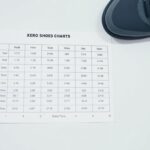 Xero Shoes Sizing Guide: 2025 Model-Specific Measurement Chart
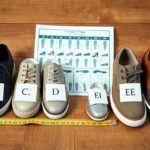 Understanding Shoe Width Letters: What They Mean and How to Choose the Right Fit
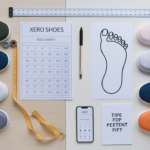 Xero Shoes Size Guide: Tips for the Perfect Fit
 Common Mistakes to Avoid When Determining Shoe Size: Expert Tips for Accuracy
The Article Measuring for Xero Shoes: Discover Your Ideal Fit Was Found On https://limitsofstrategy.com
References:
Https://limitsofstrategy.com/measuring-for-xero-shoes-discover-your-ideal-fit/