If your drain consistently experiences clogs, the core issue likely arises from inadequate repairs conducted by previous plumbers. You may have hired various professionals, each time having the blockage cleared while being assured that the problem was resolved. just months later, you may find your shower backing up or your kitchen sink gurgling ominously. This situation is not some curse befalling your home; instead, you’ve been investing in temporary fixes that fail to deliver a long-term solution.
Let’s explore the underlying causes of these problems and discuss what constitutes a sustainable solution for homes in the Sutherland Shire.
Discover the Impact of Root Intrusion on Sutherland Shire Homes Versus Newer Suburbs
This common issue is especially prevalent in the older streets of Cronulla, Sutherland, and Engadine. Several critical factors contribute to the susceptibility of local plumbing systems:
- Age of the homes: Many properties in the Shire were constructed between 1960 and 1990. The drains installed beneath them are often made of vitrified clay or early-generation earthenware, with connections formed approximately every metre using rubber rings or cement collars. These types of joints lack the resilience for long-term durability.
- The trees: Species such as Eucalypts, paperbarks, melaleucas, and the impressive old figs that adorn many Shire backyards possess aggressive root systems that actively seek moisture. These roots can detect moisture vapour escaping from a joint from several metres away.
- The soil: Sandy soil allows for rapid drainage, prompting tree roots to extend their reach in search of water. your drain becomes the most reliable source of moisture in the garden, particularly during the scorching summer months.
In contrast, homes built in the 2010s feature PVC pipes with solvent-welded joints and fewer mature trees, making older homes in the Shire particularly vulnerable to root intrusion.
What Mechanisms Allow Tree Roots to Penetrate Your Drainage System?
Tree roots do not merely invade a healthy pipe. They exploit existing weaknesses:
- Joint failure: Over time, the rubber seal between two sections of pipe can wear down, or the cement collar may crack. A hair-thin root tip can easily slip through, locate moisture, and gradually thicken.
- Hairline cracks: Factors such as ground movement, the pressure of vehicles above, or simple ageing can lead to cracks in older pipes. Roots will seek out and follow these fissures.
- Pipe deflection or belly: When a section of pipe bends or shifts, the joints may slightly separate. This gap creates an entry point for roots to infiltrate.
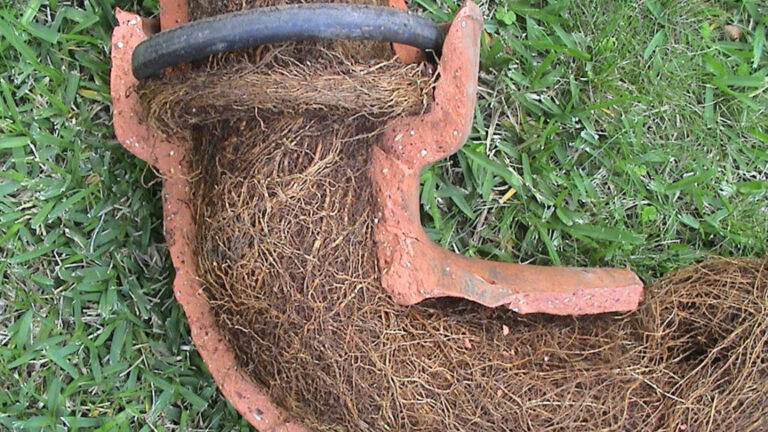
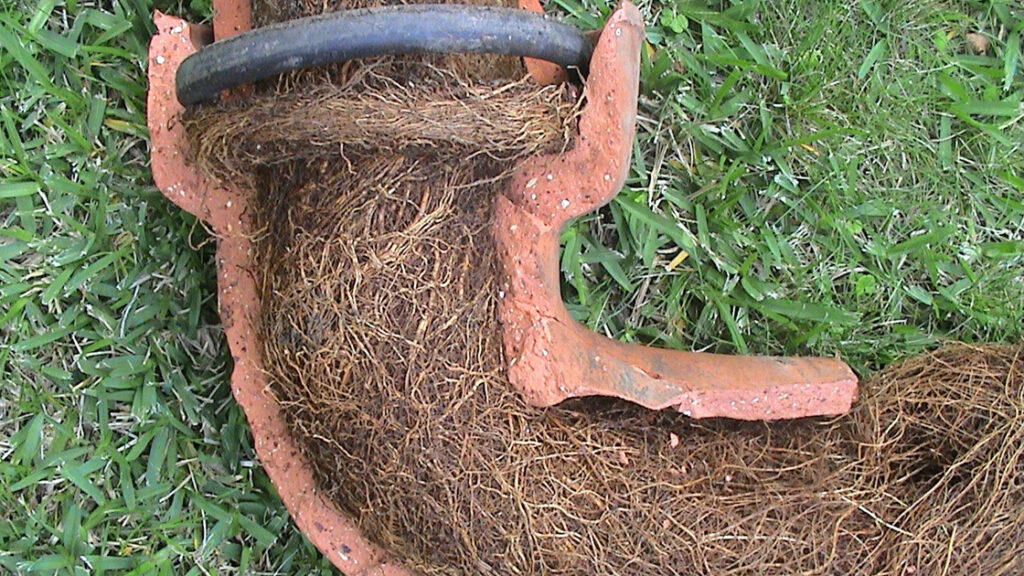
Once inside, roots expand into a tangled mass, capturing debris such as wet wipes, hair, and fats, which ultimately leads to the blockages you frequently pay to clear.
What Happens When You Clear a Drain Blockage — And What Issues Remain?
While hydro-jetting effectively removes roots, it does not resolve the entry point that allowed them access initially.
A powerful jetter operating at 5,000 PSI can shred the root mass and wash it out, restoring functionality to the drain. The plumber completes the job, and it may seem that the problem has been fixed.
The joint or crack that allowed the root invasion remains unaddressed. It continues to leak moisture into the surrounding soil, attracting new root growth—usually within six to eighteen months, depending on the season and the type of tree.
A mechanical snake (or electric eel) provides an even less effective solution. It merely punctures a hole through the root ball to allow water flow, while most of the roots remain inside the pipe, regenerating faster than a properly jetted line.
Why Does My Drain Keep Clogging Repeatedly?
Two main factors contribute to this persistent problem:
- The original roots regrow: Cutting a root inside a pipe is similar to pruning a hedge; it will return thicker than before.
- New roots find the same entry point: Once a pipe joint is compromised and begins to leak, every nearby tree becomes aware of it. Even if you remove the original tree, nearby trees—or those from your neighbour’s yard—will eventually discover the same gap.
Simply clearing the blockage is a maintenance approach and does not provide a permanent solution. If you are comfortable paying for a clearance every one to two years, that is a valid choice. most homeowners prefer a definitive solution that truly addresses the issue.
Explore the Long-Term Solution — Pipe Relining (No-Dig CIPP)
Pipe relining, also known as Cured-In-Place Pipe (CIPP), allows for the installation of a new pipe within your existing one without the need for excavation in your yard.
Here’s a typical job process in the Sutherland Shire:
- CCTV inspection: We insert a camera into the line to accurately identify the locations of cracks, joints, and points where roots have entered. You can view the footage alongside us.
- Hydro-jet clean: We thoroughly eliminate the roots and clean the interior of the pipe down to its bare surface.
- Liner insertion: A felt sleeve, saturated with a two-part epoxy, is either pulled or inverted into the pipe and then inflated against its inner wall.
- Curing: The epoxy hardens in position (through heat, steam, or ambient conditions) over several hours, after which the bladder is removed.
- Final CCTV: We perform a second camera inspection to confirm that a continuous, seamless new pipe has been installed within the old one.
The result is a robust pipe-within-a-pipe structure that has no joints for roots to infiltrate. It is designed to last over 50 years, and your garden, driveway, deck, and paving will remain untouched throughout the process.
When we say “in-house,” we genuinely mean it. Our team manages the entire process, from the CCTV inspection to the installation of the cured liner—never subcontracting to others. This continuity is crucial because the plumber who diagnosed your blockage will also be the same expert designing the relining, ensuring accountability for the results. You won’t have to navigate unnecessary communication between different trades or finger-pointing if additional work is needed.
Detailed Cost Analysis — Clearing, Relining, and Complete Pipe Replacement
Below are realistic cost ranges specific to the Sutherland Shire. Each job is unique, and we provide a fixed quote following a comprehensive CCTV inspection.
- Hydro-jet clear: Starting from $400 — lasts 6 to 18 months — minimal disruption
- Pipe relining (per section): Starting from $4,000 — lifespan of 50+ years — minimal disruption, no digging required
- Full pipe replacement (excavate and re-lay): Starting from $15,000 — lifespan of 50+ years — significant disruption to your yard, paths, and potentially your driveway
If your drain continues to block and you have already spent on two clearances, relining often pays for itself within three years compared to ongoing clearings—and it resolves the recurring issue. If you don’t see your pricing listed, please reach out for a straightforward quote following an inspection of the line.
Areas We Serve in Sutherland Shire with Our Expertise
We extend our services throughout the entire Shire and Southern Sydney, but we frequently encounter root invasion issues in older pipe systems:
- Cronulla
- Caringbah
- Miranda
- Sutherland
- Engadine
- Menai
- Sylvania
- Gymea
If your home is located in one of these suburbs and was built before 1990, there is a high likelihood that your blockages are due to root intrusion.
Find Answers to Your Frequently Asked Questions
How Can I Identify If Tree Roots Are Causing My Drain Problems?
Look for signs such as frequent blockages in the same line, gurgling sounds from the drains, slow-draining showers and toilets, and patches of unusually lush grass over the pipeline. A CCTV inspection can confirm this in about 20 minutes.
Is Simply Removing the Tree Enough?
Although tree removal may seem like a solution, it often does not resolve the underlying issue. The dead root mass will still remain in the pipe, and other trees (either from your property or from your neighbour’s) will likely find the same compromised joint. Repairing the pipe provides a long-term solution; tree removal is optional.
Will My Home Insurance Cover This Type of Damage?
Sometimes—typically only if a specific event (like a storm or ground movement) caused the damage, rather than gradual root invasion. It is advisable to consult your insurer, but do not rely solely on insurance. We can provide CCTV footage to support your claim.
What Is the Expected Duration of the Relining Process?
Most single-section relining jobs are completed within a day. More complex or branched runs may take up to two days. You can remain in your home during this time—water will only be turned off briefly during the curing process.
Could the Same Trees Cause New Blockages Elsewhere?
Only if there are additional weak joints or cracks further down the line. That is why we inspect the entire line with a camera instead of just the blockage site, enabling you to decide whether to reline one section or the entire pipeline.
Contact The Blocked Drain Guys for Expert Help
We are licensed plumbers in NSW and specialists in blocked drains, performing pipe relining in-house—never through subcontractors. If your Sutherland Shire drain continues to trouble you, we will conduct a thorough inspection, provide a transparent quote, and resolve the issue once and for all. Contact us by phone or through our website, and we will dispatch someone to assist you promptly.
Original Article First Published At: Tree Roots In Your Sutherland Shire Drains — Why It Keeps Coming Back
The Article: Tree Roots in Sutherland Shire Drains: The Recurring Issue first appeared on https://writebuff.com
The Article Tree Roots in Drains: A Persistent Problem in Sutherland Shire Was Found On https://limitsofstrategy.com
References:
Tree Roots in Drains: A Persistent Problem in Sutherland Shire