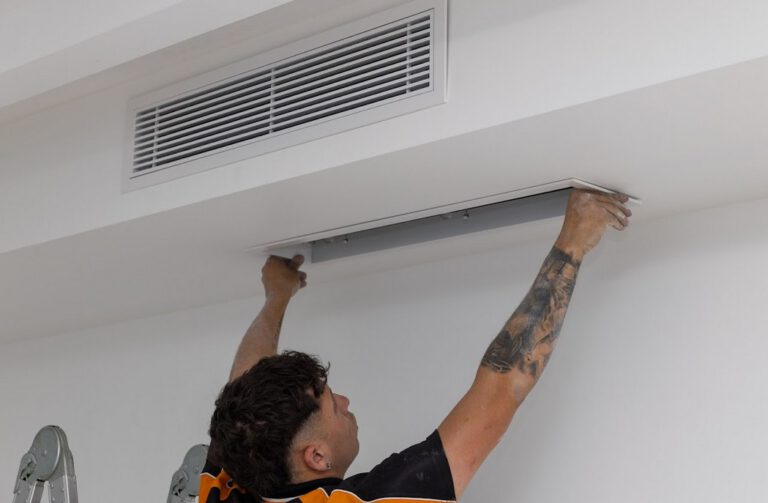
If your gas ducted heater is on the older side—around 15, 20, or even 25 years—you may have noticed a decline in its performance. You might find that it takes considerably longer to warm your home, and perhaps you’ve seen an increase in your gas bills without any change in your consumption habits. Furthermore, recent discussions about Victoria moving away from gas systems could leave you pondering how this shift affects your current situation and what alternative options are available to you.
You are not alone in facing these pressing concerns. A multitude of homeowners in Melbourne are navigating similar dilemmas, contemplating whether to repair their current systems, invest in a new gas heater, or transition to electric heating. Given the extensive information at hand, it can become overwhelming; hence, it is essential to clarify the prevailing circumstances and the pathways available for your heating needs moving forward.
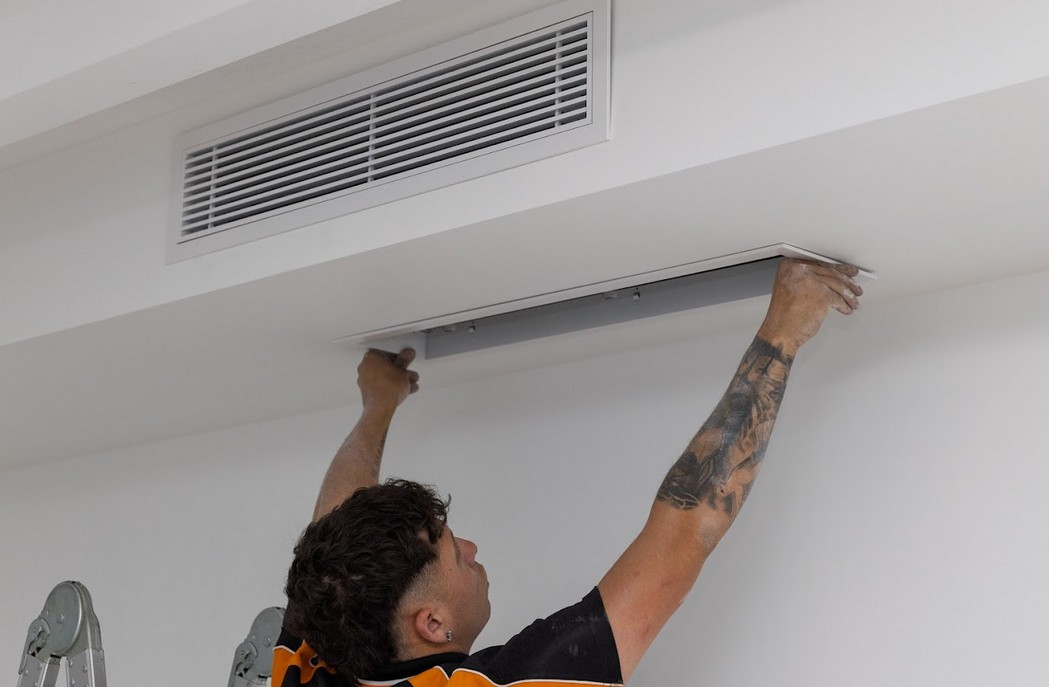
Understanding the Key Factors Driving the Need for Gas Ducted System Replacements
Several critical components are converging at this moment that warrant your attention.
First and foremost, many gas ducted heaters installed during the late 1990s and early 2000s are nearing the end of their expected operational lifespan. Typically, these units last between 15 to 20 years, and many have surpassed that threshold. As these systems age, obtaining replacement parts becomes increasingly challenging, their overall efficiency diminishes, and ultimately, it often becomes more cost-effective to invest in a replacement rather than continue pouring money into repairs.
Additionally, Victoria is taking active steps to encourage the electrification of heating systems. Starting in January 2024, the state government will impose restrictions on gas connections in new residential constructions. While this does not mandate the immediate removal of your existing gas system, it signifies a strong trend toward electrification. Incentives and rebates are increasingly favouring electric systems, and the rising costs associated with maintaining the gas network suggest that your gas bills are likely to continue increasing.
Moreover, and perhaps most importantly, the technology behind reverse cycle systems has seen remarkable advancements. A decade ago, ducted reverse cycle systems in Melbourne often faced skepticism due to the performance issues of older models in extreme cold conditions. Fortunately, this perception has evolved; contemporary systems now efficiently manage the chill of Melbourne winters without any significant problems.
Evaluating Your Options: An In-depth Look at the Pros and Cons
When your gas ducted heater starts to exhibit problems, you typically have three primary avenues to explore.
1. Repairing Your Current Heating System: Is It Worth It?
If your heating system is under 15 years old and the issue is relatively minor—such as a faulty fan motor, ignition module, or thermostat—it may be beneficial to repair it. This could cost a few hundred dollars and potentially extend the lifespan of your unit by several additional years. However, if you discover a cracked heat exchanger (which poses a severe safety risk, not just a comfort problem) or if your unit has exceeded the 20-year mark, investing in repairs might lead to further complications in the future. It’s crucial to be honest about the actual condition and remaining lifespan of your system.
2. Investing in a New Gas Ducted Heating Unit: Pros and Cons
This remains a feasible choice for many homeowners. Existing gas connections can continue to function—there is no immediate obligation to switch to electric. A new gas ducted heater will generally offer improved efficiency compared to your older model, and if your current ductwork is in good shape, you might be able to reuse it, which can help keep costs manageable. Nonetheless, keep in mind that you are investing in a system that relies on a fuel source that Victoria is gradually moving away from. Gas prices are unlikely to decrease, and prospective buyers will increasingly consider running costs when you eventually choose to sell your home. While this option may not be unsuitable for everyone, it is important to approach the decision with a clear understanding of the implications involved.
3. Transitioning to Ducted Reverse Cycle Electric Heating: The Future Choice
This option is becoming the preferred choice for most homeowners by 2026, and for good reason. A ducted reverse cycle system provides both heating and cooling from a single unit. This means you can significantly reduce your reliance on gas (or at least minimise your gas usage for heating), lower your running expenses, and qualify for Victorian Energy Upgrades (VEU) rebates, which can considerably offset your installation costs. The downside is that the upfront investment for this system is typically higher than a straightforward gas replacement, especially if modifications or replacement of your existing ductwork are required. However, when considering the rebates, reduced ongoing costs, and the dual functionality of heating and cooling, the overall financial outlook often becomes favourable over a span of 5 to 7 years.
Navigating the Replacement Process: A Comprehensive Step-by-Step Guide
Many individuals seek clarity regarding what to anticipate during the replacement process, so here’s an overview.
- Initial Assessment: What to Expect? A qualified professional will visit your home to evaluate your current system, inspect the ductwork, measure the space, and discuss your specific needs. Many installers make the error of providing quotes based on rough estimates rather than thorough load calculations. If someone provides a quote without conducting proper measurements, consider that a warning sign.
- Detailed Quote and Planning: Ensuring Transparency You will receive a comprehensive written quote that encompasses the unit, any necessary modifications to the ductwork, electrical work, and the process of disconnecting the gas. This approach guarantees that no unexpected surprises arise on the installation day.
- Installation Day(s): What to Anticipate For a straightforward gas-to-gas replacement where the existing ductwork is reusable, the process usually takes one day. If you are transitioning to a complete reverse cycle system with new ductwork, anticipate the installation to last two to three days. Keep in mind that you will not have heating during this period, so it’s wise to avoid scheduling it during the coldest months of July.
- System Commissioning: Getting Started After installation, the system will undergo testing, zoning will be balanced, and you will receive guidance on how to operate the system effectively. While this may seem straightforward, many homeowners fail to receive proper instructions on how to use their new system, which can lead to confusion later on.
Estimating Replacement Costs: A Practical Breakdown of Expected Expenses
Cost estimates can vary widely depending on your home’s size, the extent of ductwork modifications required, and the specific system you select. However, here’s a realistic price range for Melbourne in 2026.
- Gas ducted heater replacement (reusing existing ducts): Expect prices to start around $4,500 and can rise to $7,000 for installation, depending on the unit size and brand.
- Ducted reverse cycle (full installation with new ductwork): Prices generally range from $10,000 to $18,000 or more for an average home in Melbourne. Larger homes, multiple zones, or challenging roof spaces may increase costs.
- Ducted reverse cycle (using existing ductwork where feasible): This can cost between $7,500 and $13,000. Not every gas duct layout is suitable for reuse, but when it is, significant savings can be achieved.
- VEU rebates can reduce costs by anywhere from $1,000 to $3,000 or more, depending on your system and individual circumstances. Your installer should assist with the rebate paperwork; if they cannot, it’s worth questioning why.
These figures serve as general guidelines and may not reflect your specific situation. Each house is unique. If you desire a precise estimate for your home, don’t hesitate to contact us for a quote — Beyond Heating and Cooling provides this service free of charge.
Understanding the Project Timeline: How Long Will the Entire Process Take?
From the initial call to when your system is fully operational:
- Simple gas swap: How Long Will It Take? Typically completed within a week or two after you accept the quote, with a one-day installation timeframe.
- Full reverse cycle changeover: What to Expect Usually requires two to four weeks of lead time (including unit ordering and scheduling), followed by two to three days on-site for installation.
- Peak season (May–July): What to Keep in Mind During these months, the process may take longer as many homeowners in Melbourne suddenly realise their heating systems are malfunctioning. If you are reading this in autumn, now is an ideal time to arrange your installation.
Essential Questions to Discuss with Your Installer: Ensuring Quality and Clarity
Not all installers are created equal, and in this industry, the quality of installation is as vital as the equipment used. Here are some essential questions you should consider asking:
- Have you conducted a heat load calculation for my home? Why This Matters? This should not be a guess but a precise calculation. Systems that are undersized will fail to heat your home effectively, while oversized systems waste energy by cycling on and off.
- Can I reuse my existing ductwork? What Should I Know? This can vary. A reputable installer will provide a clear answer based on your specific situation.
- What brand and model are you quoting? Clarity Is Key It’s crucial to know exactly what you are getting, rather than a vague reference like “a 14kW system.”
- What’s the warranty—on the unit and your installation work? Understanding Coverage It is essential to differentiate between the manufacturer’s warranty and the warranty provided by the installer.
- Are you licensed to perform gas disconnections? Legal Requirements If you are transitioning from gas, a licensed gas fitter must correctly disconnect your old unit. Not every HVAC company can perform this task—Beyond Heating and Cooling can, as our team holds gas fitting licenses in addition to HVAC qualifications.
- Will you manage the VEU rebate? Making Life Easier You shouldn’t have to chase paperwork; your installer should handle that for you.
Addressing Your Common Concerns: Answers to Frequently Asked Questions
Do I need to replace my gas heater with an electric one? Exploring Your Options
No, there is no law mandating the removal of an existing gas ducted heater. You have the option to repair it or replace it with another gas unit. However, it’s crucial to consider that Victoria’s energy policy is shifting towards electrification, so think about the long-term implications rather than focusing solely on the current situation.
Can I maintain my gas cooktop if I switch my heating to electric? Your Appliances Matter
Absolutely. Transitioning your heating to a reverse cycle system does not impact your gas cooktop, hot water system, or any other appliances. You can gradually electrify your home if desired, but there is no requirement to convert everything at once.
Is reverse cycle heating sufficient for Melbourne winters? Comfort and Efficiency
Yes, modern ducted reverse cycle systems are designed to operate efficiently even in temperatures significantly lower than those typically experienced in Melbourne. The outdated belief that heat pumps struggle in cold weather stems from older models that lacked capability. Current systems perform well—even during those brisk 2°C mornings in July.
How can I determine if my ductwork is reusable? Assessing Your System
A qualified installer must physically inspect your ductwork. They will assess size, condition (ensuring there are no significant leaks, tears, or collapsed sections), and whether the layout suits the new system. Metal ductwork in good condition can often be reused, while older flexible duct that has deteriorated usually requires replacement.
What happens to my old gas heater? Disposal Procedures
Your installer will manage the removal and disposal of your old unit. A licensed gas fitter will properly cap off the gas supply to the unit, so you won’t need to arrange this separately.
Will a new system help lower my energy bills? Financial Considerations
It should, yes. Transitioning from a 20-year-old gas ducted heater operating at around 60–70% efficiency to a modern reverse cycle system with a Coefficient of Performance (COP) of 4 or better will significantly decrease your running costs. The exact savings will depend on your home, usage patterns, and electricity rates, but most homeowners notice a marked reduction.
If you have an aging gas ducted system and are uncertain about your next steps, reach out to Beyond Heating and Cooling. They will assess your current setup and provide honest advice on whether it’s worth repairing or replacing—and what the best replacement option is for your home. No pressure, no obligation, just straightforward guidance on what makes the most sense for you.
The Article: Replacing Gas Ducted Heating: Essential Tips for Melbourne 2026 first appeared on https://writebuff.com
The Article Replacing Gas Ducted Heating: Key Tips for Melbourne 2026 Was Found On https://limitsofstrategy.com
References:
Replacing Gas Ducted Heating: Essential Tips for Melbourne 2026